

The Indian e-commerce market, which was just 70 billion dollars/ ₹6.46 lakh crore in 2022, is now expected to reach more than 350 billion dollars/₹32 lakh crore by 2030. This is clearly a massive growth of the e-commerce market.
Along with this growth, the number of online shoppers is also increasing in the Indian market. There are over 350 million people who are making purchases not just from a single channel, but from different mediums like social media, apps, websites or marketplaces.
This move of the consumers has led to a requirement for omnichannel commerce software. The McKinsey research indicates that annual revenues are growing by 9.5% year-over-year in companies in which the omnichannel customer engagement is good, and 3.4% in companies with weak omnichannel engagement.
Thus, this data clearly states how important it is for every business to have such software. Viewing this significance, we are going to discuss "Omnichannel Commerce Software for E-commerce in India".
What Is Omnichannel Commerce Software?
Omnichannel commerce software is an all-inclusive technological solution that seamlessly connects all of the sales channels - website, mobile application, marketplaces (Amazon, Flipkart, Myntra), social media platforms, and stores into a cohesive ecosystem.
Omnichannel commerce software provides a medium of truth to your whole business, unlike traditional systems, where each channel functions separately.
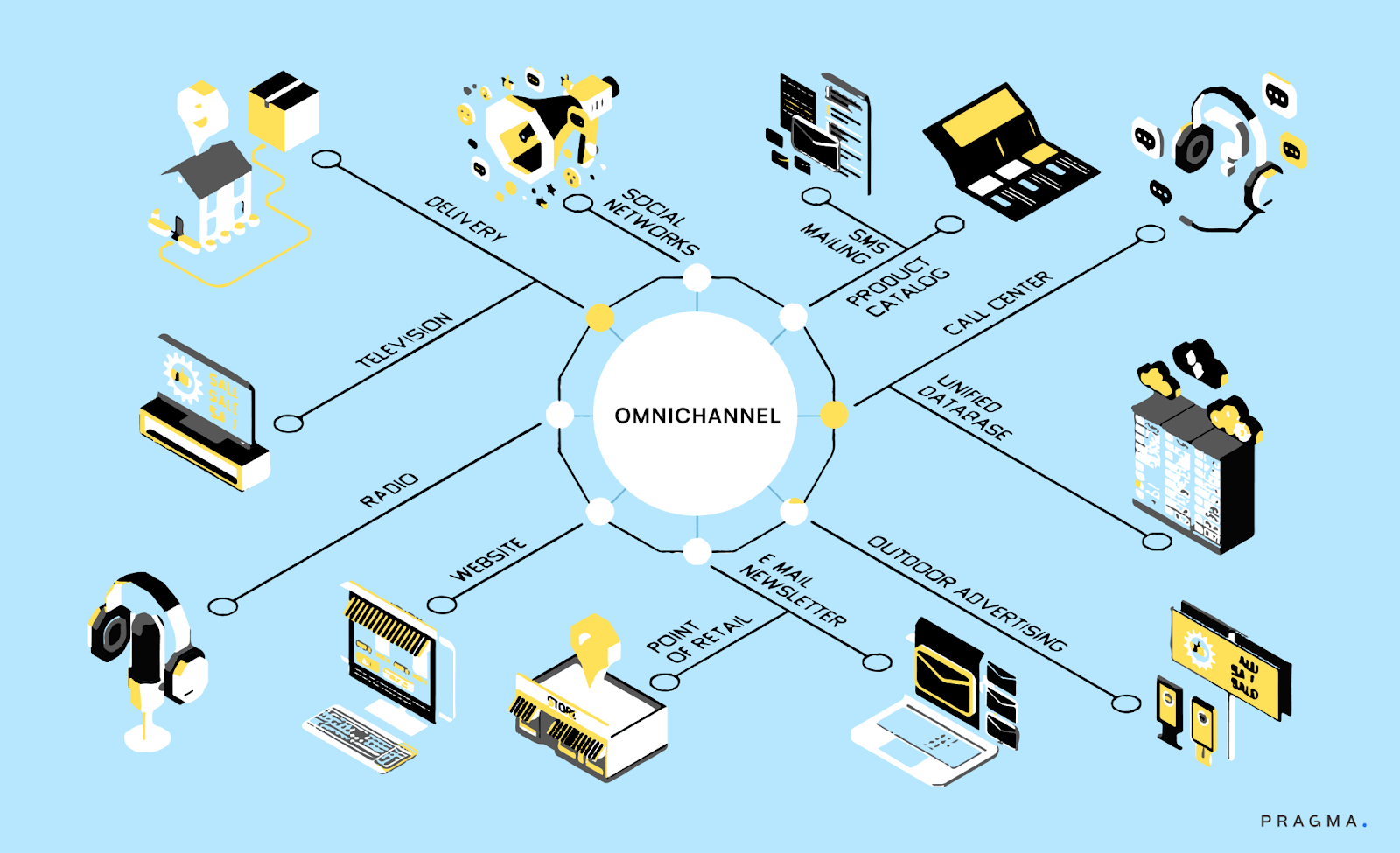
An omnichannel commerce software can do the following things:
Single Data Management: All customer contact, orders, stock quantities, and business data are processed by a single centrally located system.
It means that, say a customer had viewed your product on Instagram, added to cart via your mobile application and made the purchase on your webpage, your business, with the help of an omnichannel commerce solution, will get the whole picture of what the customer has gone through.
Real-Time Synchronisation: With the help of an omnichannel commerce software for e-commerce business, the stock, price and promotional offers can be updated in real-time on all platforms.
For example, if the final unit of a product is sold on Amazon, it will be instantly shown as not available on Flipkart, your site, and the store systems.
Automated Workflows: With the help of an omnichannel commerce solution, order processing, inventory allocation, customer communications, and fulfilment will be done automatically through the software.
Pragma Omnichannel CRM helps e-commerce brands to manage customer conversations, marketing automation, and multiple sales channels in one dashboard, making it easier to deliver a consistent omnichannel experience.
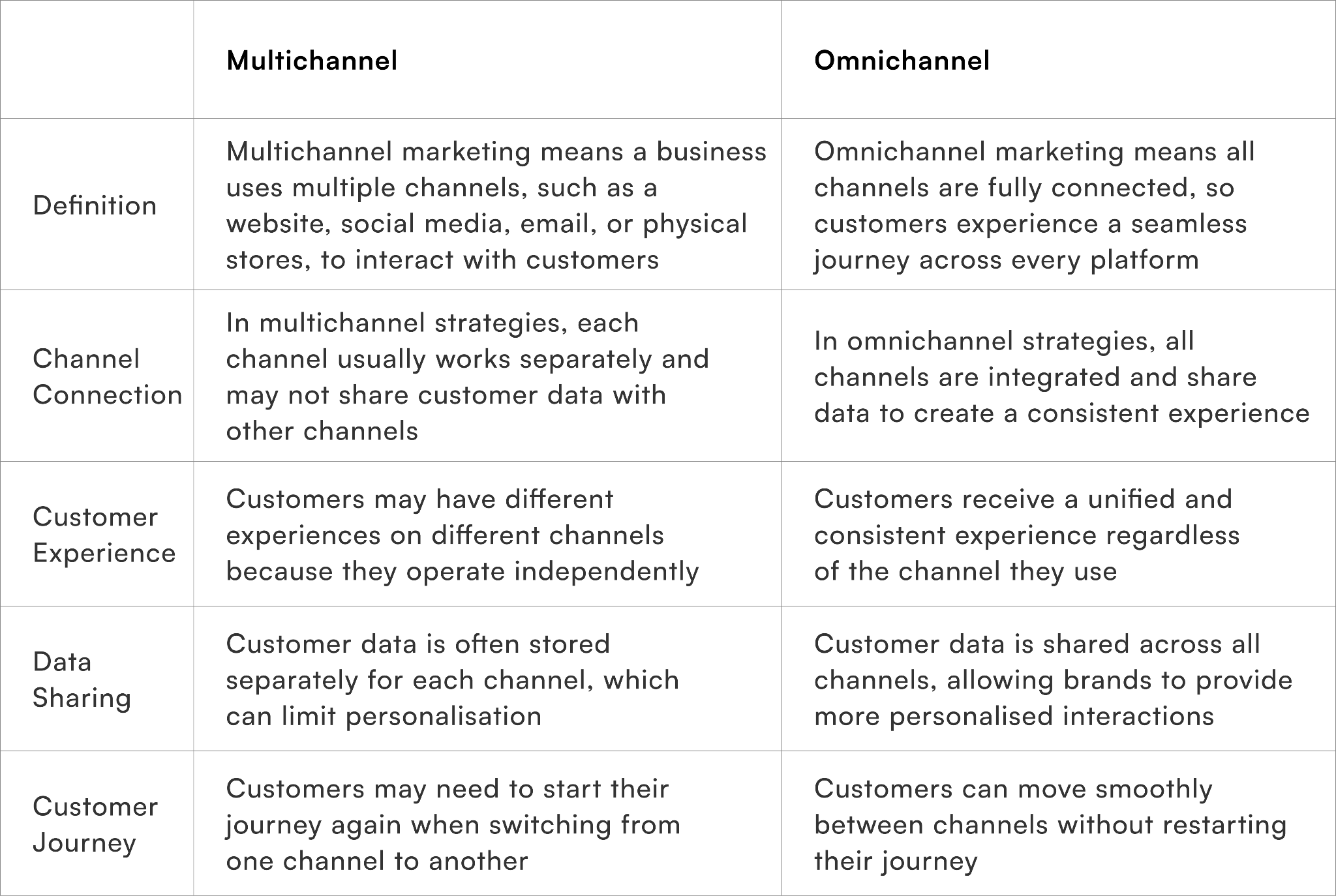
Omnichannel vs Multichannel: What's the Difference?
Why Omnichannel Commerce Matters for Indian E-commerce Brands?
Marketplace + D2C Model
Most successful Indian brands today follow a hybrid model; they sell on marketplaces like Amazon, Flipkart, and Myntra while also running their own D2C website.
In the absence of omnichannel commerce software, it will be very difficult to control inventory in all these platforms. This is difficult because you may end up overselling on Amazon because the stock wasn't updated on your site, or you lose sales because stock shows as unavailable when it's actually available.
Bain & Company research shows that successful Indian brands generate 60-70% revenue from marketplaces while building strong D2C channels for higher profitability and customer loyalty.
Offline + Online Retail Integration
The Indian retail market is different; a client usually does some online research but wants to feel and touch the products before making the purchase.
Nykaa and Lenskart are the two brands that have managed to combine their online and offline experiences. What they have done is that their customers can monitor the availability of products online and pick them up from the closest store, or send back purchases made online to the physical stores.
This is a great technique, as according to KPMG's Future of Retail report, omnichannel retailers in India see 15-25% higher customer lifetime value compared to single-channel retailers.
High Return and RTO Rates
Return-to-Origin (RTO) rates of 15-25% are a particular problem with Indian e-commerce. An omnichannel commerce solution can be used to minimise this by:
- Offering the right product information across all channels.
- Allowing customers to make returns by using their channel of choice.
- Improved communication with the customers during the order process.
Your e-commerce brand can minimise this with Pragma RTO Suite, as it addresses this challenge by scanning over 300 parameters within 200ms of order placement, helping brands reduce RTO rates by 45-60% through predictive analytics and risk scoring.
Customer Expectation of Fast Delivery
Customer expectations have radically shifted due to the presence of quick commerce platforms that offer 10-minute delivery.
It was found that the quick commerce industry is expected to become a 2 lakh crores industry by the year 2028.
And when a business has an omnichannel commerce software, they can be able to provide faster deliveries by:
- Delivery to the closest warehouse or store.
- Inventory real-time visibility.
- Computerised issue of orders to the best fulfilment centres.
Key Features of Omnichannel Commerce Software
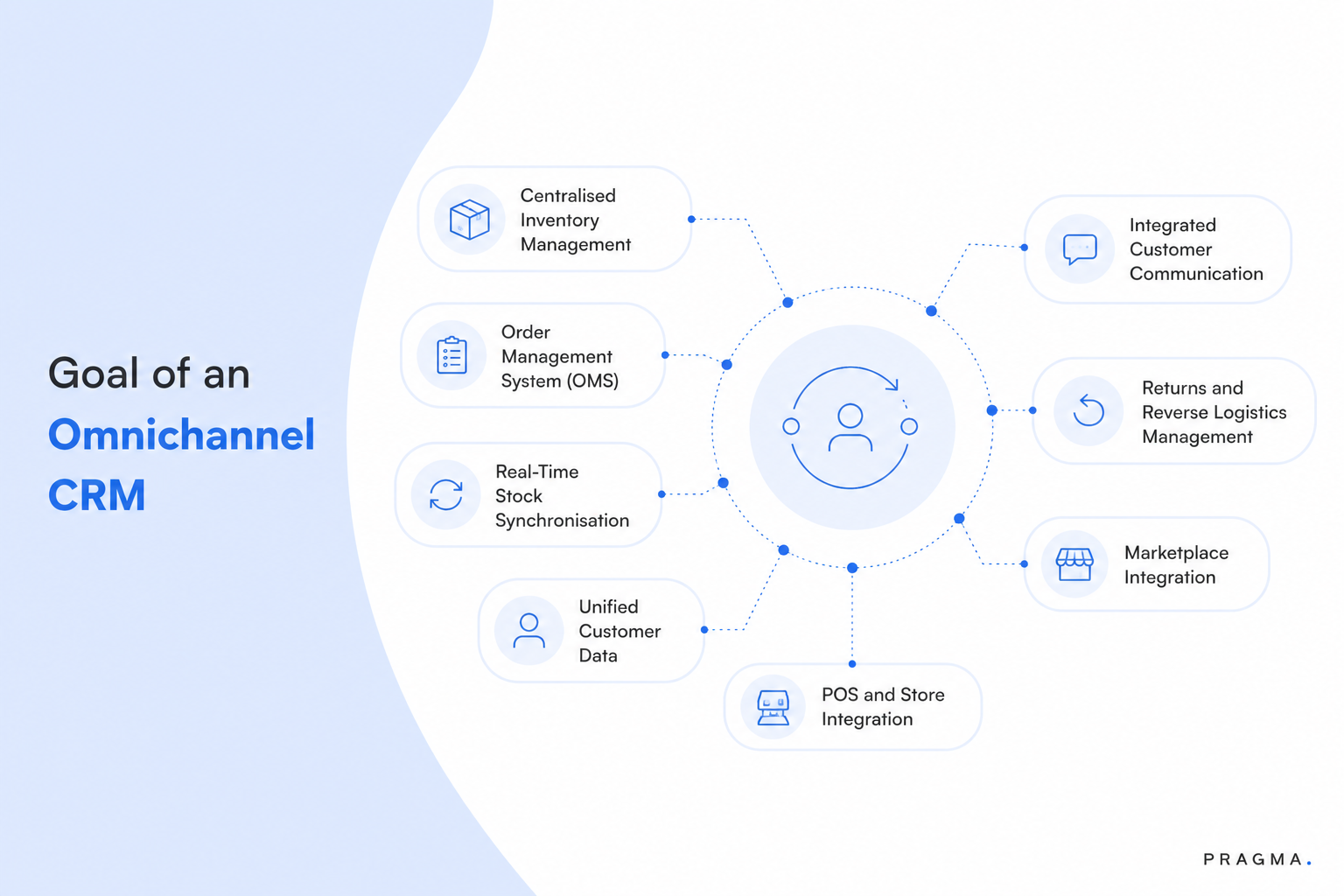
Centralised Inventory Management
This is one of the best key features of an omnichannel commerce software. With the help of omnichannel CRM, you do not have to maintain a different inventory of your website, Amazon store and physical shops, but all that is handled in a single location.
Whenever an individual purchases a product in one channel, the inventory automatically compiles everywhere. This prevents the common issue of showing products as available when they're actually out of stock.
Let us have a look at a real-life example of the brand using the omnichannel commerce solution. E-commerce brands using Pragma Omnichannel CRM have seen 80% of reduction in manual work as all the data is being managed through a single screen.
Order Management System (OMS)
An effective OMS processes the orders of all the channels and sends them to the most appropriate location of fulfilment.
Let us understand with the help of an example, say a customer in Mumbai orders something on your site, the system may process that at your store in Mumbai rather than in your head office in Delhi, so that it is delivered faster.
So, what does this show?
It states that the best omnichannel commerce software can manage orders that require fulfilment from multiple locations, ensuring customers receive accurate tracking and communication.
Real-Time Stock Synchronisation
As we are aware of this fact now, the omnichannel commerce software handles the inventory in real-time. This means that it eliminates the greatest headache in e-commerce, which is overselling.
When your last stock is sold at Flipkart, you will see that it will not be available soon on your site or in the Amazon store as well.
Unified Customer Data
The omnichannel software develops a single comprehensive customer profile as opposed to different customer databases in each channel. It matches customers across channels using multiple identifiers, such as:
- Email addresses and phone numbers
- Device IDs and cookies
- Social media profiles
Not just does it provide a comprehensive view of the customer, it also analyses the browsing patterns, product interests, purchase history and preferences of the customers.
Integrated Customer Communication
One more significant characteristic of omnichannel commerce software is integrated communication with customers. There are numerous ways customers are reaching the brands nowadays by using WhatsApp, Instagram, email, and website chat. These conversations may prove tricky to manage individually by the support and sales teams.
Pragma Omnichannel CRM consolidates all conversations with customers onto a single dashboard. This enables the teams to respond at a quicker rate, monitor customer questions with ease and provide a uniform experience along every channel.
Returns and Reverse Logistics Management
It is complicated to manage returns on a variety of channels. But with the best omnichannel commerce software, this process can be automated since customers can always send back products via any channel with proper inventory and accounting records.
Also, if you want to manage your returns efficiently, you can use Pragma Return Management System, which can be easily integrated with all your courier partners to handle reverse shipments.
Marketplace Integration
Every omnichannel commerce software must also be easy to integrate with some of the key Indian market platforms, such as Amazon, Flipkart, Myntra, Ajio, and new suppliers.
It should be able to handle automatic product listing, inventory sync and order management.
And one of these features is exclusively present in Pragma Omnichannel CRM, which enables access to WhatsApp, Facebook Messenger, Instagram, Email and VoIP.
It means that you don't have to make dedicated individuals or applications for each channel.
POS and Store Integration
In the case of brands that have physical stores, the software must be connected to the Point-of-Sale systems, and it should allow:
- Buy online, pick up in store
- Ship from store
- Unified loyalty programs
5 Best Omnichannel Commerce Software for E-commerce Brands
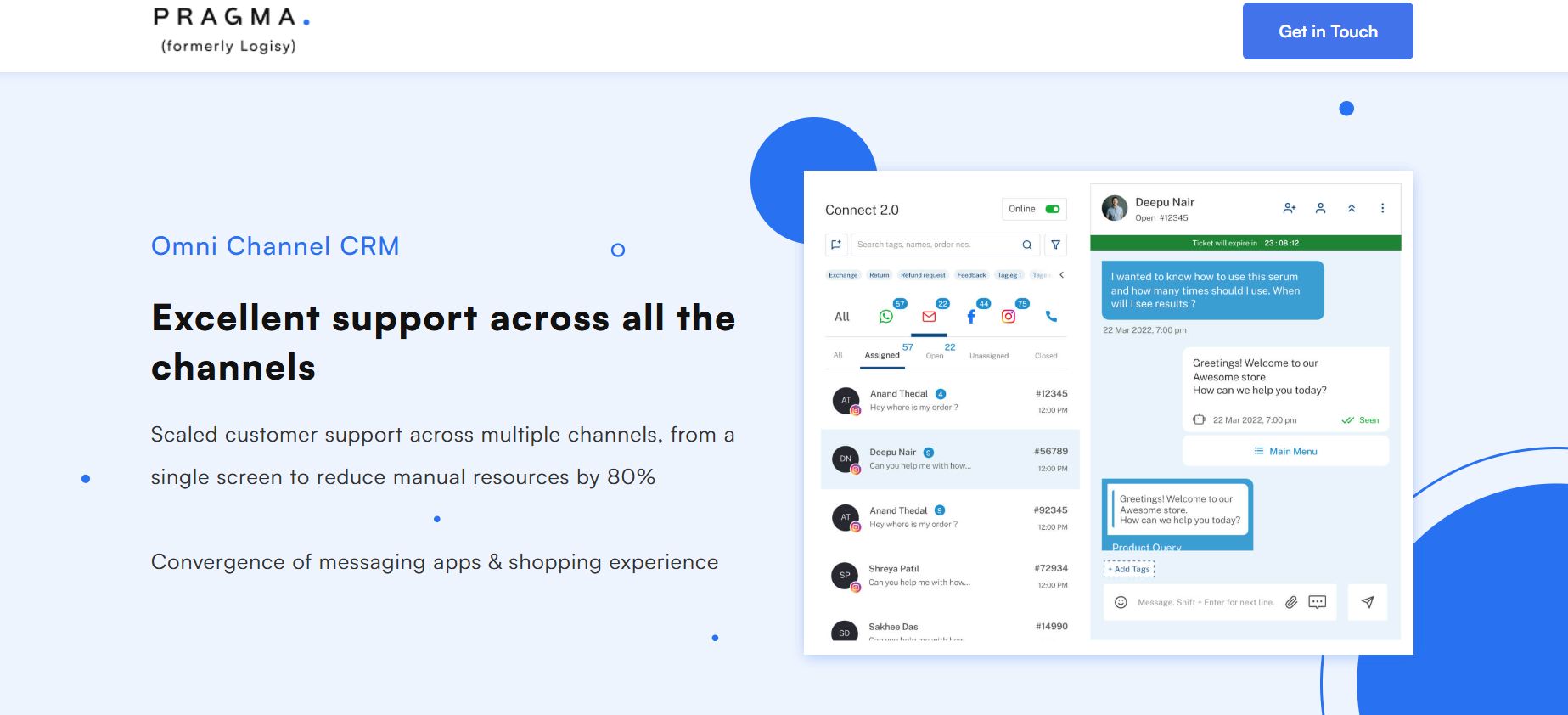
Pragma is the best omnichannel commerce software that is targeted at fast-growing D2C e-commerce businesses. It assists companies with the communication with customers, marketing automation, and various sales channels being managed by a single system.
When using Pragma Omnichannel CRM, it is possible to use a single dashboard to manage conversations on WhatsApp, Instagram, Facebook Messenger, email, and chat on a webpage. This facilitates quick response of support and sales teams as well as continues to provide a smooth customer experience.
With Pragma omnichannel CRM, brands can get all the order details & status (past and present), along with abandoned cart details of the customers at a dedicated right panel.
Pragma also assists in automating most tasks, including customer follow-ups, lead qualification and marketing campaigns. With it, businesses can create unlimited chatbots across WhatsApp, Messenger and Instagram for all possible scenarios like Order status, Payment issues, Returns etc.
The other benefit is that it has AI-driven capabilities such as smart replies and NLP-based customer interaction that enable brands to respond to customers in a faster manner and in more than one language.
Pragma is utilised by a lot of D2C brands to enhance customer interactions, drive qualified leads, and optimise the communication process in the omnichannel because of these characteristics.
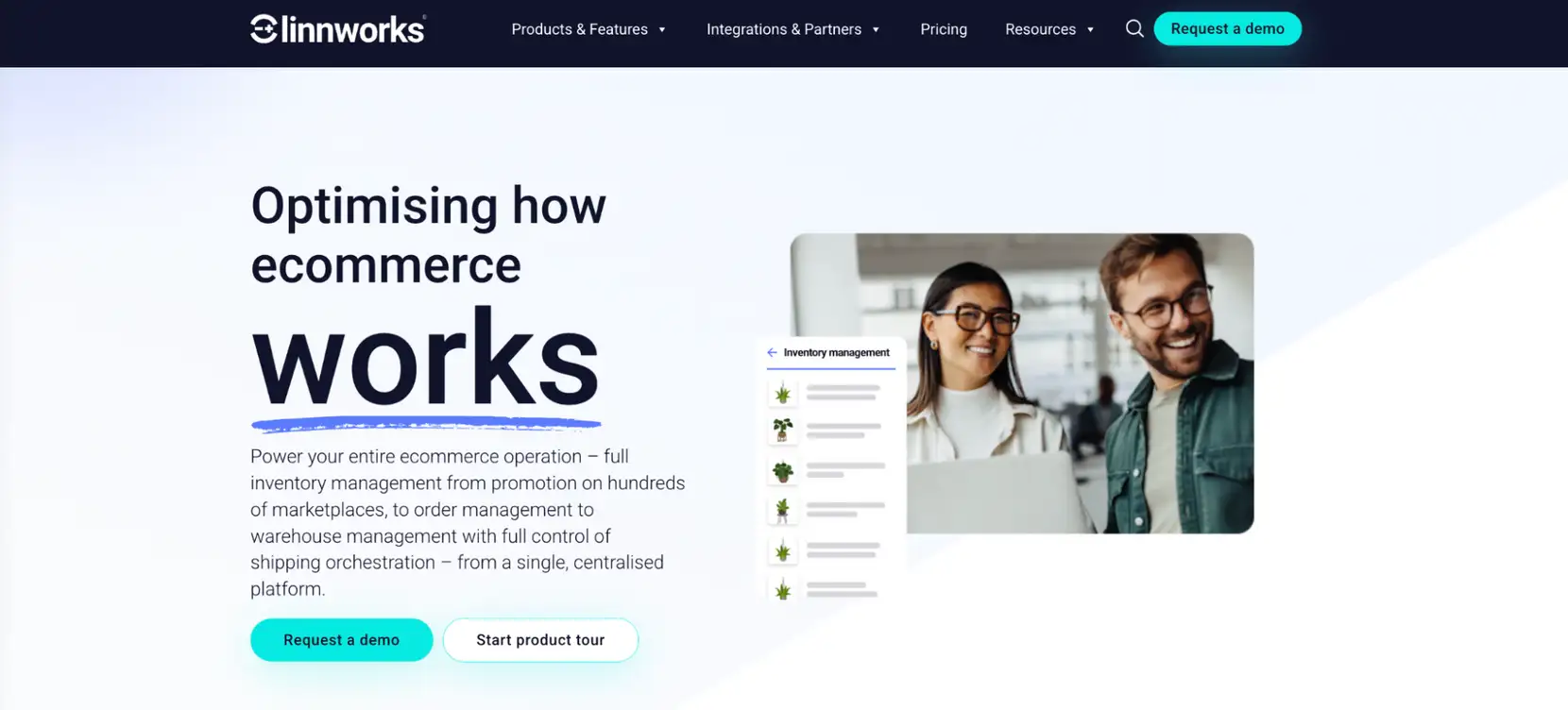
This helps e-commerce brands integrate inventory and orders in real-time across multiple channels. It is also linked to over 100 channels, and streamlines order processing and shipping to limit manual work.
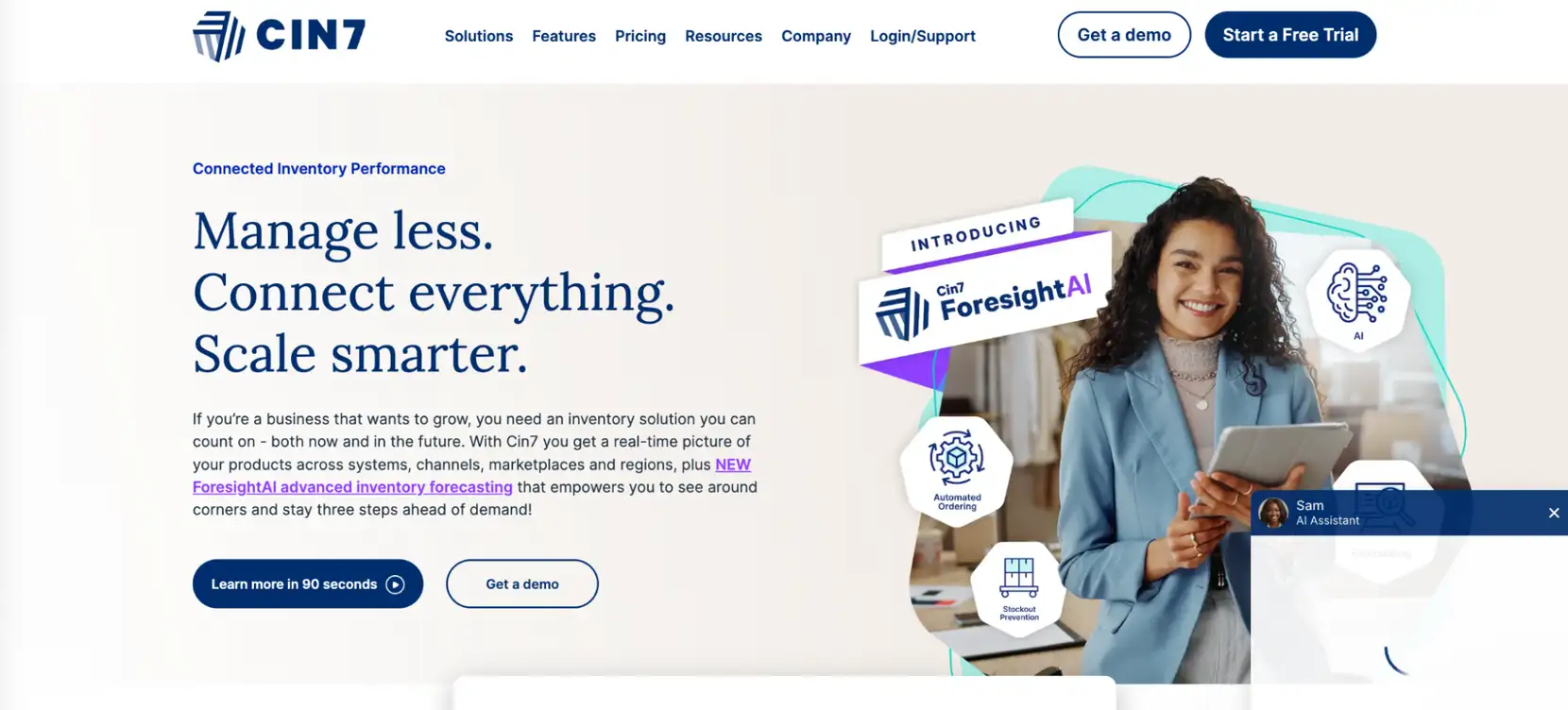
A highly powerful platform that links all the inventory, POS and ecommerce systems together. It can be used by brands that are sold online and in the brick and mortar stores.
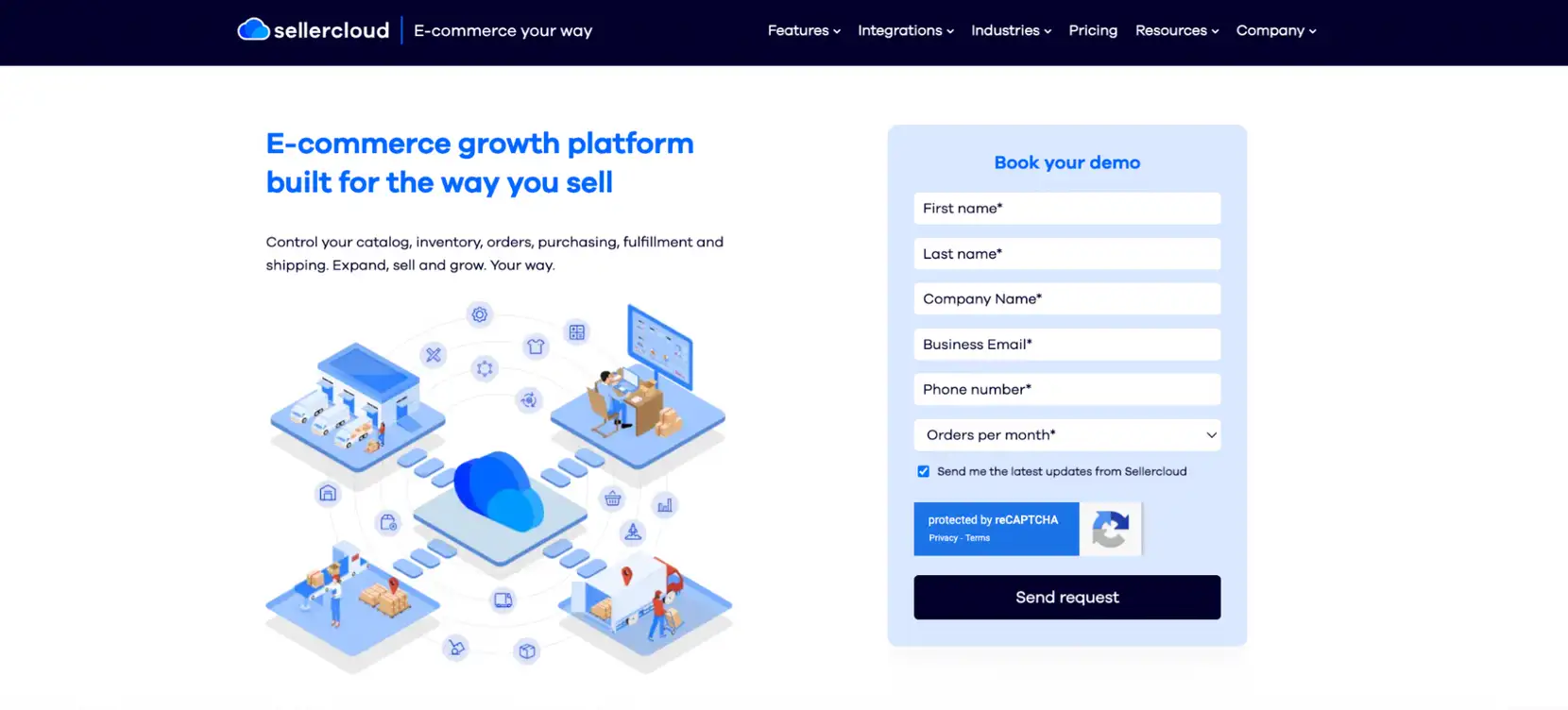
It enables companies to handle product entries, inventory, orders and fulfilment on such marketplaces as Amazon, Walmart, or Shopify through a single dashboard.
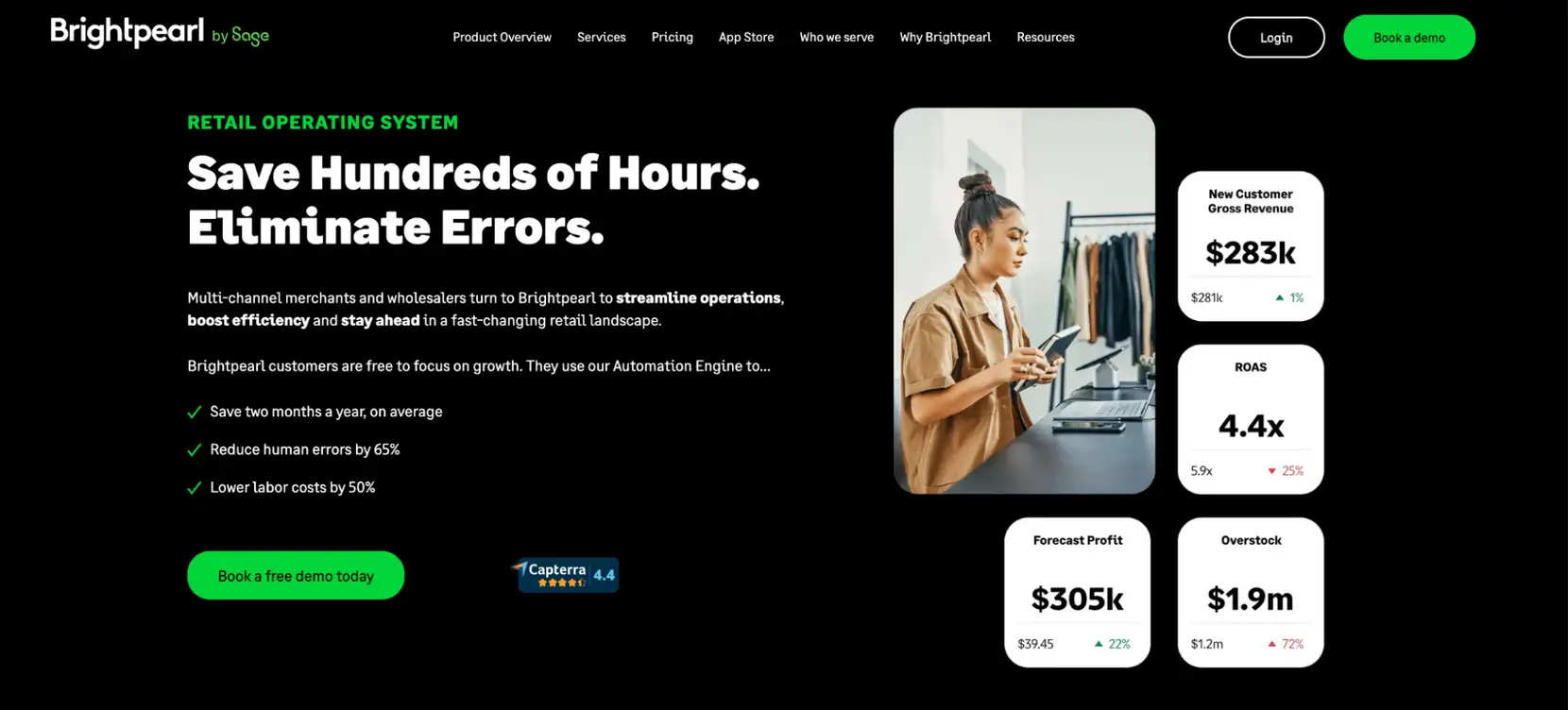
A retail-based platform integrating inventory, financial automation, and omnichannel order processing systems to e-commerce brands.
How to Choose the Best Omnichannel Commerce Software?
Business Size and SKU Volume
While selecting the best omnichannel commerce software, the first thing that you should consider is the size of your business and the number of products (SKUs) sold.
In case your business has a huge amount of products in the catalogue, like thousands of them, you must look for software capable of handling a large amount of product data and constant updates without interruption.
The platform should also handle high traffic and many orders during busy sales periods.
Channel Mix
Then, think about the locations where you sell your products. Some companies sell via the Internet, marketplaces, applications, and offline outlets.
The omnichannel commerce software is supposed to be able to support all of these channels and control everything at a single location in order to easily follow orders, products, and customers.
Warehouse and Fulfilment Setup
Check out how your products are stored and delivered as well. The software must be able to integrate with other warehouses, stores, or third-party logistics partners in case you have more than one.
Pragma is a comprehensive D2C platform that can easily be integrated with all your courier partners, providing robust support.
This assists in the control of inventory, order routing and deliveries in all locations without difficulties.
Integration Capabilities
The omnichannel commerce software must be easily integrated with other applications such as ERP, CRM, POS, and payment systems.
These integrations enable all business systems to share data and collaborate, which enhances operations and customer experience.
Scalability and Cost
Lastly, select the software that can expand with your business. The platform should be able to cope with more workloads by adding products, channels and customers without performance trouble.
At the same time, you should consider the total cost, including setup, maintenance, and upgrades.
What are the Benefits of Implementing an Omnichannel Commerce Solution?
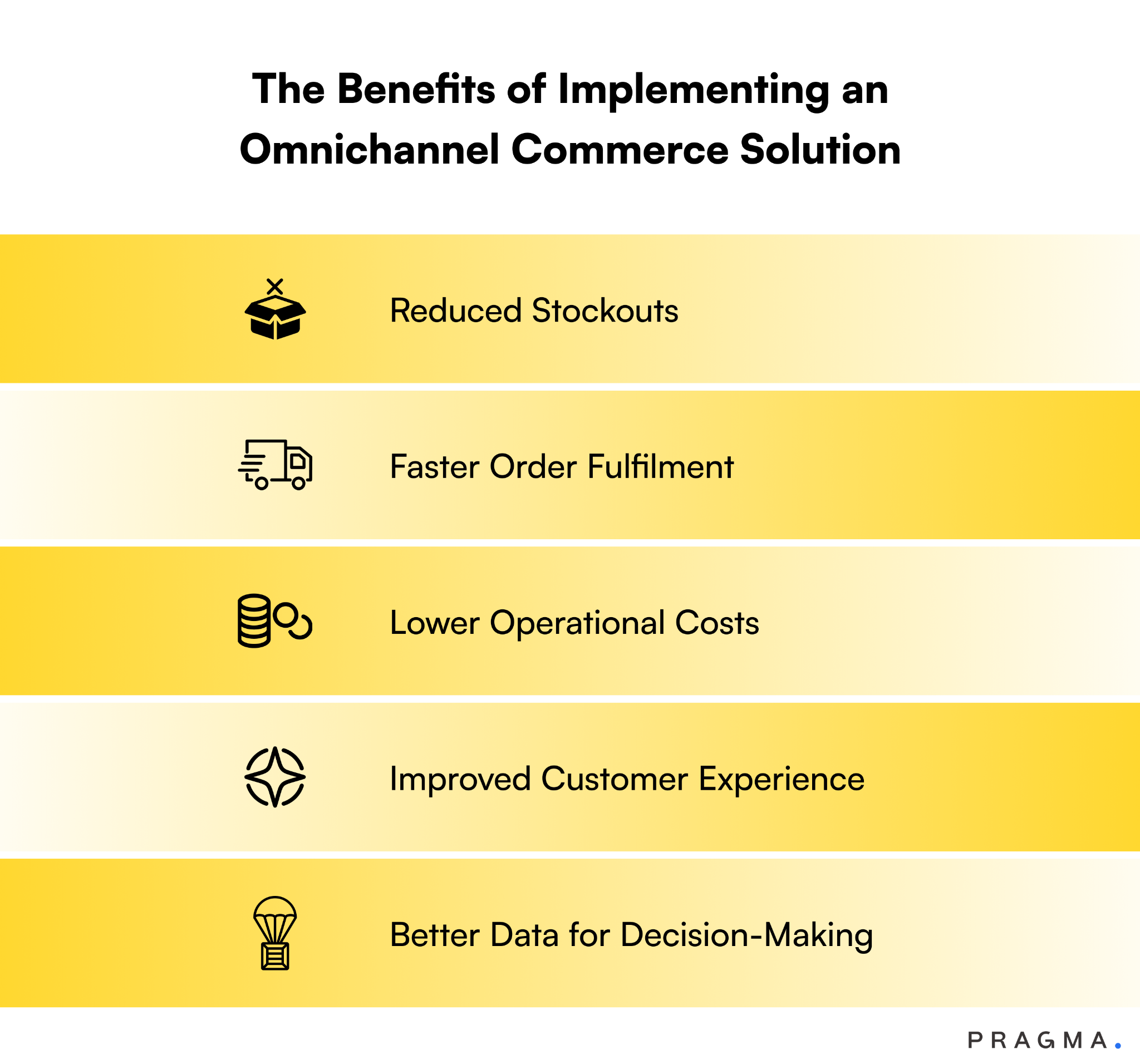
Reduced Stockouts
The omnichannel system links inventory between all the sales channels and warehouses. This enables businesses to monitor the stock in real time and to relocate goods where they are in demand.
Research indicates that approximately 70% of consumers desire real-time inventory visibility between channels, which assists business organisations in avoiding stockouts and unnecessary inventory management.
A real-life case study of Lenskart shows how much they have benefited from the use of omnichannel commerce software. Lenskart reduced inventory holding costs by 20% while improving product availability to 95% after implementing omnichannel inventory management across 1,000+ stores and online channels.
Faster Order Fulfilment
By having an omnichannel commerce solution, companies are able to deliver their orders from the closest warehouse or store. Delivery is also quickened with such features as Buy Online, Pick Up In-Store (BOPIS).
26.5% of customers who make purchases online use BOPIS due to the necessity to receive goods sooner than usual shipping, which demonstrates that the omnichannel fulfilment can increase the delivery speed.
Lower Operational Costs
Businesses improve manual work and eliminate errors by managing orders, inventory and customer information in a single system.
Stores may also be fulfilment centres, and this reduces the logistics and shipping expenses and enhances efficiency within the supply chain.
Improved Customer Experience
Omnichannel enables customers to transition between channels, including websites, mobile applications, and physical outlets.
It has been found that 91% of consumers want brands offering an omnichannel experience, and channelled shopping results in greater consumer satisfaction and loyalty.
Harvard Business Review research shows omnichannel customers have:
- 30% higher lifetime value than single-channel customers
- 4% higher in-store spending
- 10% higher online spending
Better Data for Decision-Making
An omnichannel platform gathers information on all contact points, which assists companies in knowing how customers will behave and make sales.
This information is used to personalise the offers made by the brands, and approximately 80% of customers will be more likely to purchase with the help of personalised experiences.
What are The Common Challenges in Implementing Omnichannel Commerce?
- Various organisations have their systems of websites, stores, inventory, and payments. Integrating all these systems into a single platform may be hectic and time-consuming.
- Inventory management in various channels may not be easy. Unless the stock is updated on-the-fly, the problems that a business might face include overselling and stock outages.
- An omnichannel system would, in most cases, require new software, technology, and infrastructure, which may be expensive to some businesses.
- Omnichannel commerce gathers large volumes of customer information across the various platforms. It may be a challenge to handle this data appropriately and keep it safe.
- Employees will have to acquire new tools and processes. In the absence of effective training, teams can find it difficult to adapt to the new system.
- Companies should ensure that the price, product details and the quality of services offered are consistent in all channels and at times it is not easy to control.
Such challenges are, however, solvable using the appropriate omnichannel platform. Pragma support numerous channels with a single centralised system to assist e-commerce brands. It unites all these in just one dashboard instead of utilising various tools to communicate, market and support customers.
By providing its omnichannel CRM, the business can manage the communication with the customers via WhatsApp, Instagram, and email, among others, all in a single location. This not only saves on manual labour but also enhances the response time and enables teams to be more efficient in dealing with customer queries.
Organising customer information, automating processes, and linking various channels of communication, Pragma can ensure that e-commerce brands can overcome the majority of the traditional challenges of executing omnichannel commerce and provide customers and businesses with an easier experience.
Omnichannel Commerce Use Cases in India
Let us have a look at some of the brands that have adopted omnichannel commerce software to grow their business well:
Nykaa: Managed to combine online and offline experiences and used more than 100 offline locations. Customers may make beauty sessions online to come to the store and have a channel-wide loyalty experience.
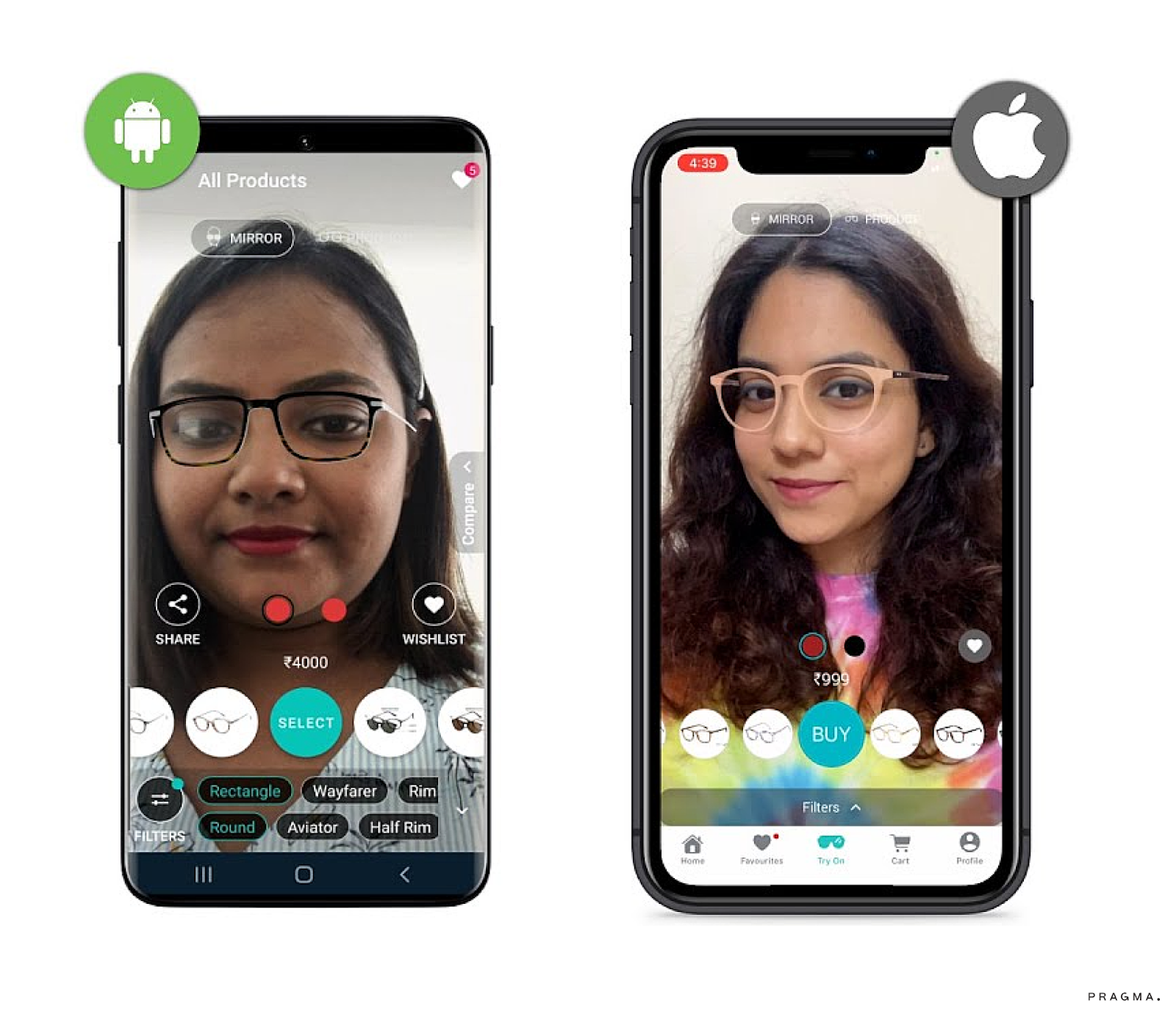
Lenskart: Omni-channel model based on technology and 3D try-on can be tested online and in-store, home eye test, and unified prescription history across all channels.
Reliance Retail: Ties physical outlets to the JioMart platform, which can be used to provide click-and-collect services and manage inventory in one place.
Tata CLiQ: Provides a convenient flow of online store and in-store, along with real-time inventory and personal recommendations.
What is The Future of Omnichannel Commerce in India?
The experts foresee that the omnichannel commerce market will be approximately 55 billion dollars/₹5 lakh crore in the year 2027, and this indicates that more companies will integrate their online and offline outlets.
A greater number of individuals in India are shopping online as well as in physical stores, thus companies will centre their attention on providing a seamless experience on websites, apps and stores.
Omnichannel commerce will become even stronger with the help of technology such as AI, mobile applications, and social media shopping, which will assist businesses in knowing more about customers and providing them with personalised products.
Digital payments such as UPI and mobile wallets will enhance a convenient shopping experience in various platforms such as stores, websites, and mobile applications.
The number of online users is growing in India, with hundreds of millions of internet and smartphone users, which will lead to more customers being introduced to omnichannel shopping.
Final Thoughts
At last, we can say that the use of omnichannel commerce software is not an optional thing now for Indian e-commerce brands; every brand has to opt for this for its business growth.
As customers demand smooth experiences at each of the touchpoints and as the market becomes more competitive than ever, brands that fail to implement omnichannel will be left behind.
For this, not the case with you, Pragma is here to support all the D2C e-commerce brands by providing expert solutions through its omnichannel CRM.
It helps brands unify marketing, support, and sales conversations across multiple channels, allowing D2C businesses to scale faster while delivering better customer experiences.

FAQs (Frequently Asked Questions On Omnichannel Commerce Software for E-commerce in India)
1. What is omnichannel commerce software?
Omnichannel commerce software is a platform that connects multiple sales channels—such as websites, marketplaces, social commerce, and offline stores—into a single system for managing orders, inventory, customers, and fulfilment.
2. Why do e-commerce brands in India need omnichannel commerce software?
Indian brands often sell across platforms like Shopify, Amazon, Flipkart, WhatsApp, and retail outlets. Omnichannel software helps synchronise inventory, orders, and customer data across these channels.
3. What are the best omnichannel commerce software tools in India?
Popular platforms used by Indian e-commerce brands include Pragma, Unicommerce, Vinculum, Zoho Commerce, and Shopify ecosystem tools, depending on operational complexity and integrations.
4. What features should omnichannel commerce software include?
Important features include centralised order management, real-time inventory synchronisation, multi-warehouse support, courier integrations, returns management, analytics dashboards, and marketplace integrations.
5. How does omnichannel commerce software improve inventory accuracy?
It updates stock levels automatically across all sales channels whenever an order is placed, preventing overselling and stock mismatches.
6. How is omnichannel commerce different from multi-channel commerce?
Multi-channel commerce means selling through multiple platforms. Omnichannel commerce connects and synchronises those channels so data, inventory, and customer experience remain consistent.
7. Can omnichannel commerce software reduce operational errors?
Yes. Automation reduces manual data entry, spreadsheet dependency, and reconciliation errors across orders, inventory, and logistics.
8. How does omnichannel commerce software improve customer experience?
It ensures accurate stock availability, faster order fulfilment, better tracking visibility, and smoother returns across channels.
9. Is omnichannel commerce software suitable for small D2C brands?
Yes. Even smaller brands benefit when selling across multiple channels, as the software simplifies order management and reduces operational complexity.
10. When should an e-commerce brand adopt omnichannel commerce software?
Brands typically adopt it when expanding to multiple marketplaces, opening offline stores, managing multiple warehouses, or experiencing frequent inventory mismatches.
Talk to our experts for a customised solution that can maximise your sales funnel
Book a demo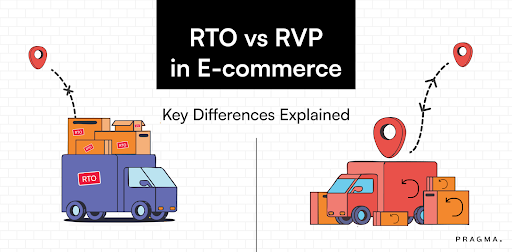

.png)
.png)