

As we are pretty much aware, the Indian E-commerce market is growing day by day. There are a lot of brands that are running businesses online and achieving such great sales and revenues.
So, it becomes extremely important for any business that wants to be successful to compete with these brands. And for this, they must make a strong online presence.
To get this, it is not only possible to rely on the organic search results, but you also have to do a lot more. And such options are the paid advertising, through which you can reach millions of users at a time, without making much effort.
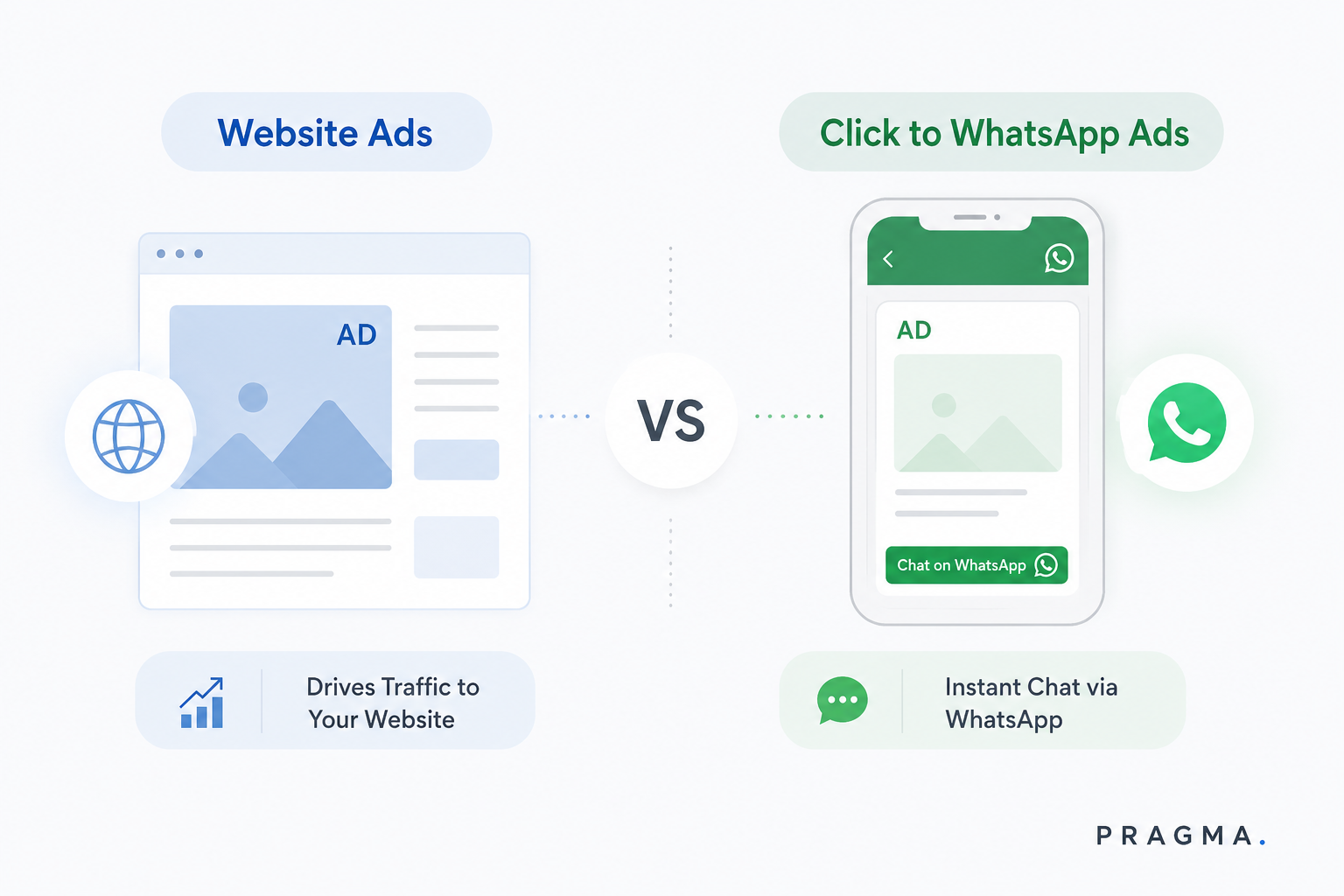
There are two major options: one is traditional website ads, and the other is modern WhatsApp Ads. In this blog, we will delve into "Website vs Click to WhatsApp Ads for E-commerce in India" and will let you know which one is more suitable for the D2C e-commerce brands in India.
What Are Website Ads and Click-to-WhatsApp Message Ads?
To understand, Website Vs. Click to WhatsApp Message Ads properly, we first have to know what exactly they are.
Let's start with Website Ads!
Website Ads
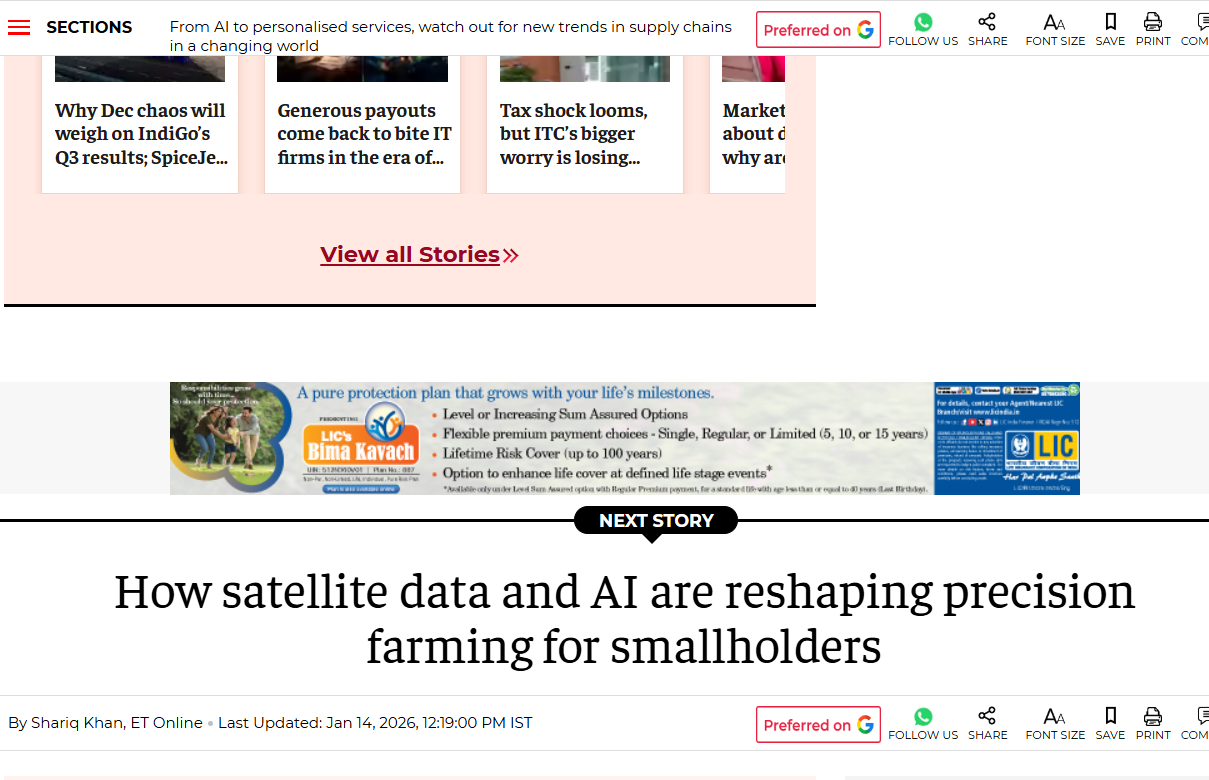
Website advertisements refer to conventional online advertisements which redirect the user to your e-commerce site when they are clicked. These advertisements are found on such websites as Google, Facebook, Instagram, and other online platforms, with one simple mission: to generate traffic to your online store.
When a person clicks on a site advertisement, he/she will end up on:
- Your homepage
- A specific product page
- A category page
- A custom landing page
The user will then be guided through your site, shop around, put items in the cart, and hopefully make a purchase using your standard checkout system.
Click to WhatsApp Message Ads
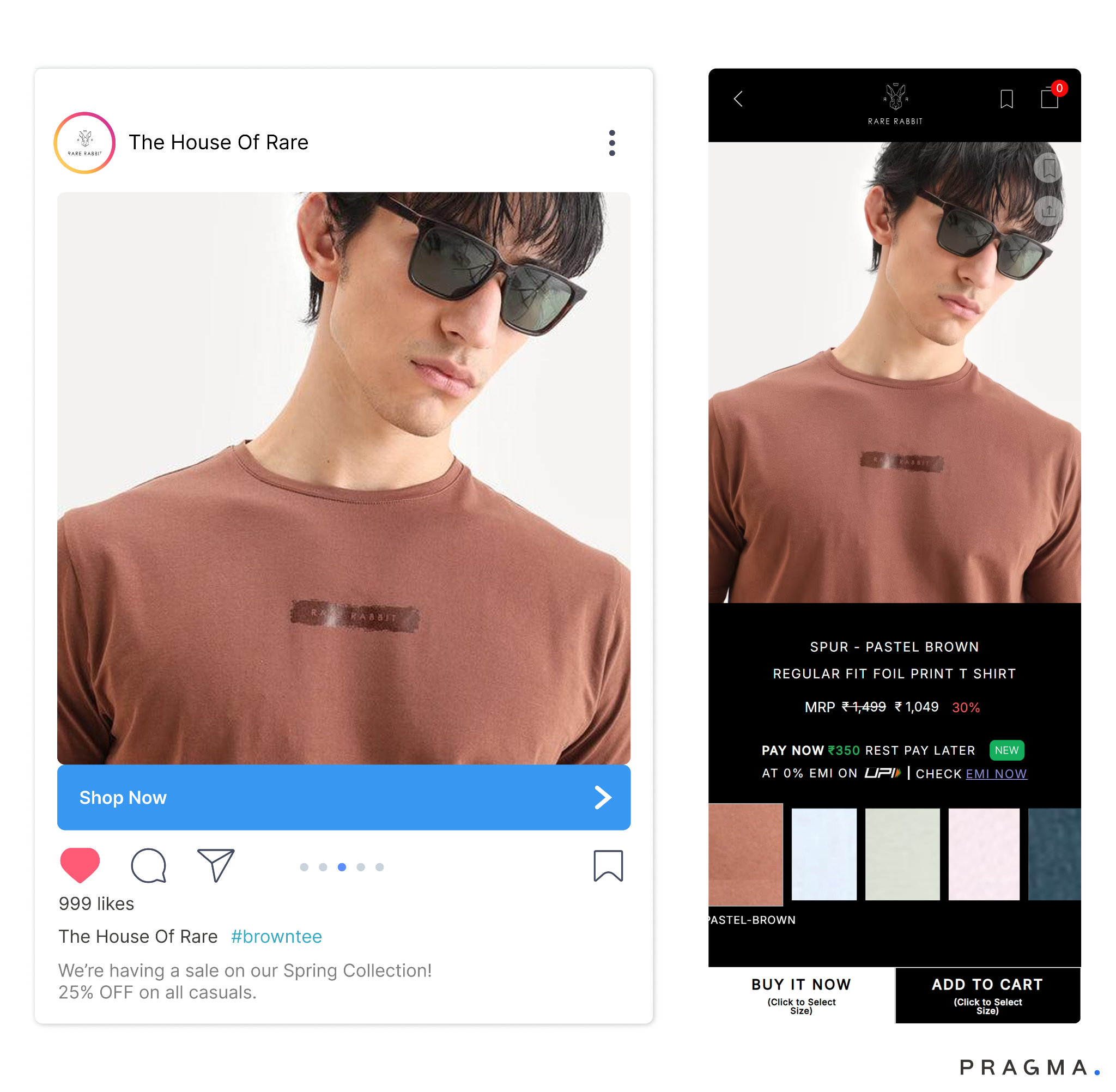
The newer type of advertising that links potential customers to your business directly via a click on the ad to WhatsApp is the Click-to-WhatsApp message ads.
In these ads, when the user clicks on an ad, they do not go to the business's website and instead initiate a chat with their brand on WhatsApp.
India alone has more than 487 million users of WhatsApp, according to Business Standard in 2024. This giant user base makes the WhatsApp advertisements especially important to Indian companies.
By clicking on the WhatsApp ad, a person:
- Gets to the chat window for the business.
- Is able to ask questions without delay.
- Get individual help.
- Can make purchases via the chat.
Key Differences Between Website Ads and Click to WhatsApp Ads
Funnel Length and Friction
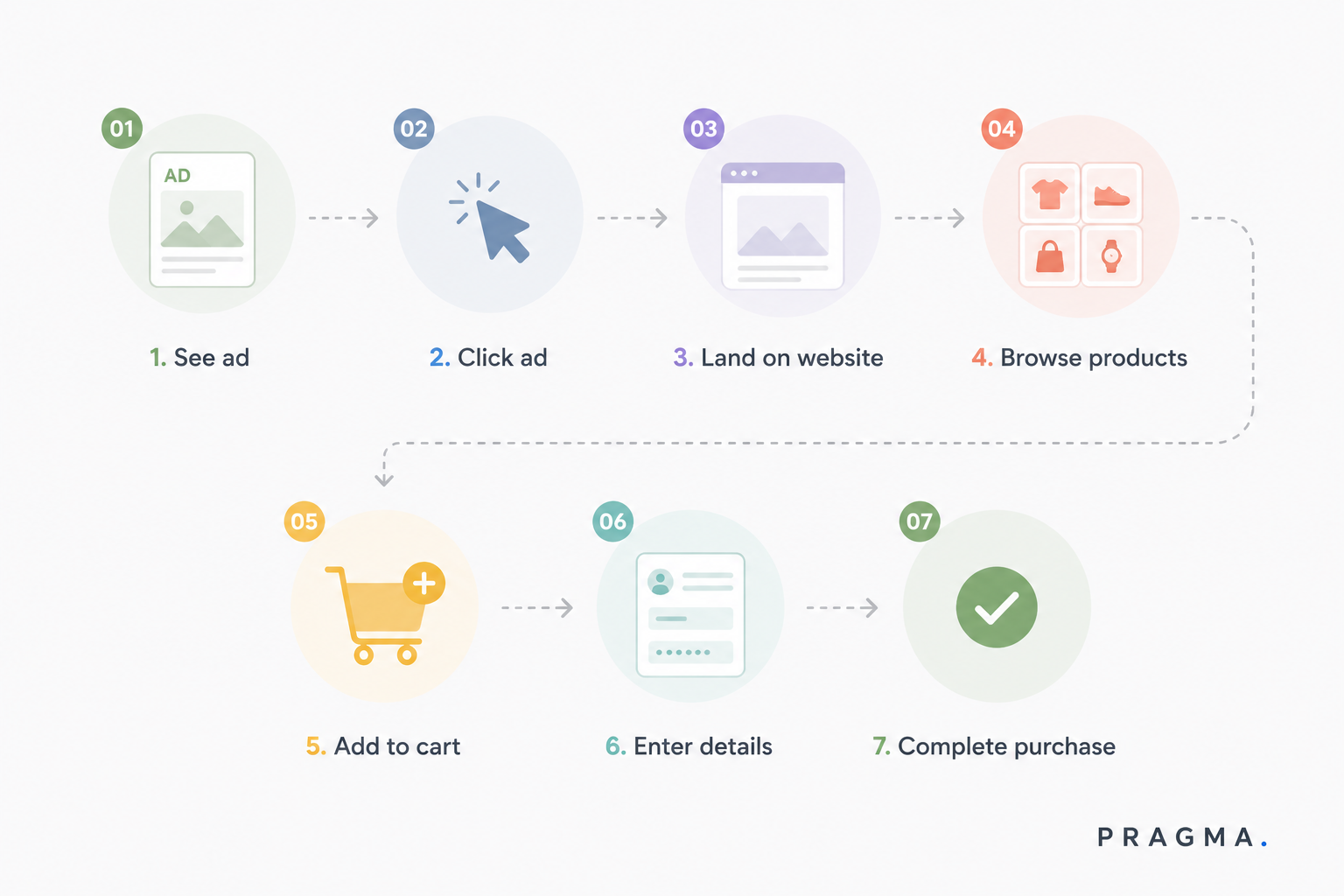
Both ads are different in funnel length. If we talk about traditional website ads, it involves around 5-7 steps. Here are the following:
See ad → 2. Click ad → 3. Land on website → 4. Browse products → 5. Add to cart → 6. Enter details → 7. Complete purchase
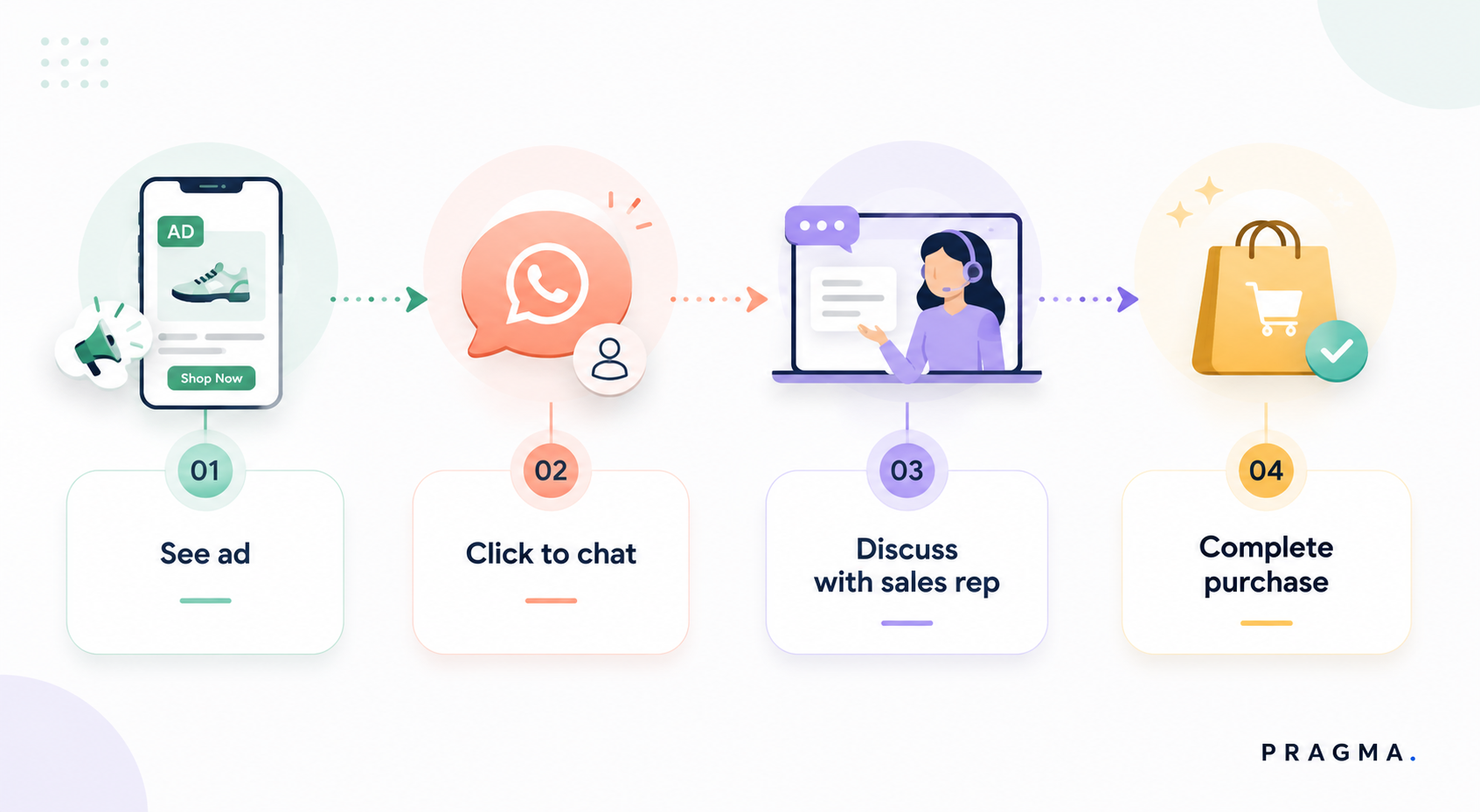
Whereas the click to WhatsApp ads funnel is shorter in length, it mainly involves 2-3 steps. Here are the following:
See ad → 2. Click to chat → 3. Discuss with sales rep → 4. Complete purchase
User Intent and Behaviour
Individuals who open the ads on the websites usually wish to explore, compare or get information. They might not be prepared to discuss and purchase at the moment. They just see an ad, and due to curiosity, they click on it.
Whereas the user who taps on WhatsApp advertisements normally requires direct assistance or quick answers. Their purpose while clicking on the ads is more bold since they are willing to begin a dialogue immediately.
Data Collection
Website advertisements enable the companies to gather systematic information like visitor activities, form completion, and tracking of conversions. This aids in the performance analysis and optimisation.
WhatsApp ads will only give limited data, whereas chat conversations will give actual data on customer needs, questions, and concerns.
Follow-Up Capability
The follow-ups of the site advertisements are typically done via emails, telephone calls or remarketing advertisements. This may be impersonal at times.
By using Click to WhatsApp advertisements, companies can simply follow up using the same chat, provide updates, reply to questions, and build credibility by communicating personally.
What are The Advantages of Website Ads for E-commerce?
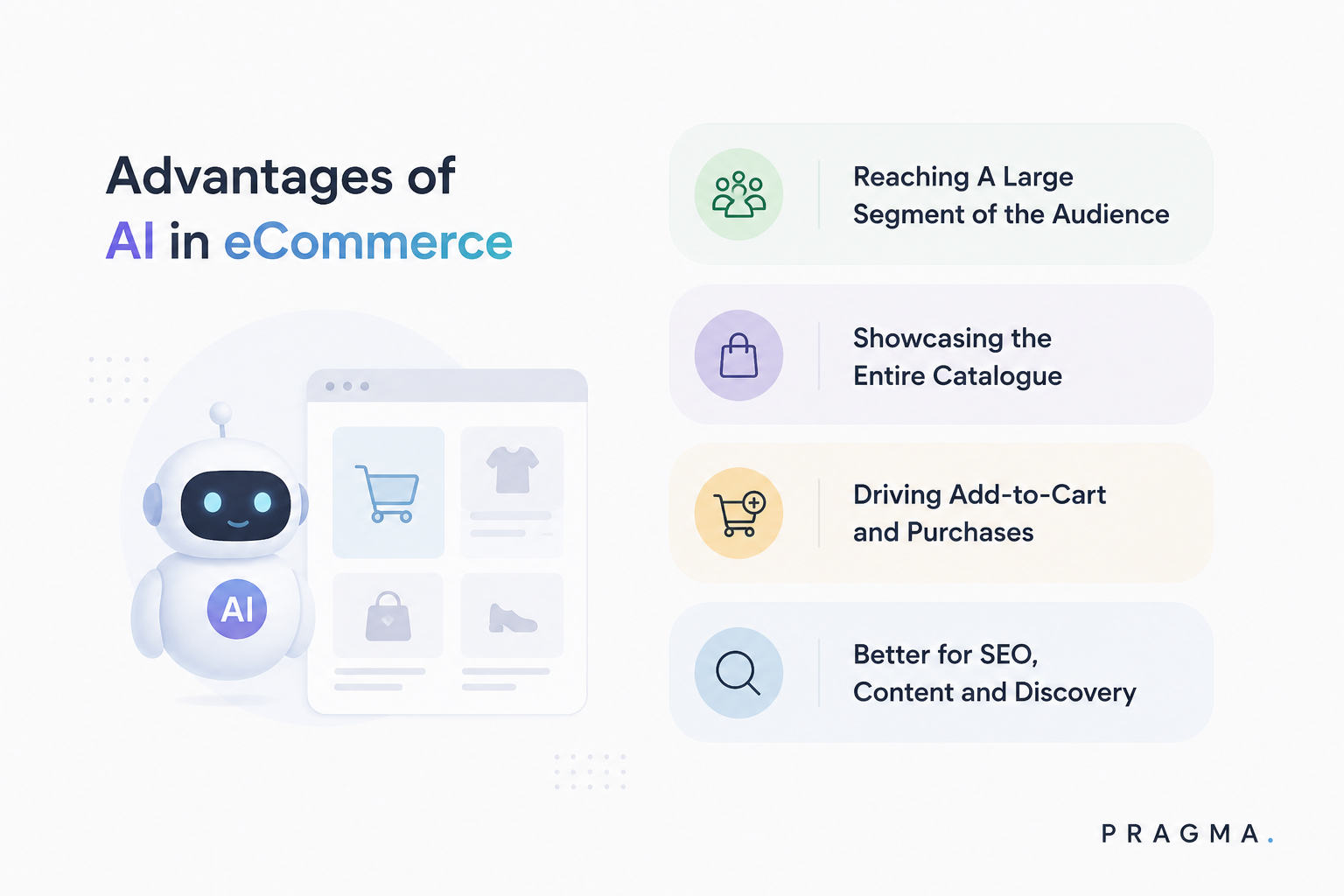
Website ads provide the following advantages when used:
Reaching A Large Segment of the Audience
Advertisements on websites are utilised to ensure that brands access a large number of people on various platforms such as search engines, social sites and display networks.
These ads are effective both to new and returning customers since they direct the user to a website. This renders website advertisements helpful in raising brand awareness and drawing close attention to a significant number of people who might be interested in making a purchase.
Showcasing the Entire Catalogue
When a business wants to show more products to the customer at once, it can make use of website ads. These ads support hundreds or thousands of products to show to the customer.
Not only can these ad brands show their product catalogues, but they can also upload high-quality media and videos with a 360-degree view, along with proper product descriptions.
One of the most famous e-commerce brands, Myntra, makes use of website ads for displaying products from around 5000+ brands. And they get a huge traffic from these ads, also the customers can properly view the products with the necessary information required to make a purchase decision.
Driving Add-to-Cart and Purchases
When a user clicks on the website ads, they typically land on either the brand's website or a specific landing page designed for it.
And surfing the products on a properly designed website gives the customers a seamless experience, they can directly add their favourite products into the cart and make the final purchase by checking out.
This way of purchasing is what customers are used to, and they get good experiences, as the website is specifically designed for that functionality.
Better for SEO, Content and Discovery
In website ads, sometimes specific pages are linked, which helps the brand get major traffic for that particular page. This helps in getting good engagement and is beneficial for SEO.
There are blogs, category pages, and product pages that enhance the process of discovery and allow customers to learn more before purchasing. This creates brand credibility in the long run.
What are The Advantages of Click to WhatsApp Message Ads?
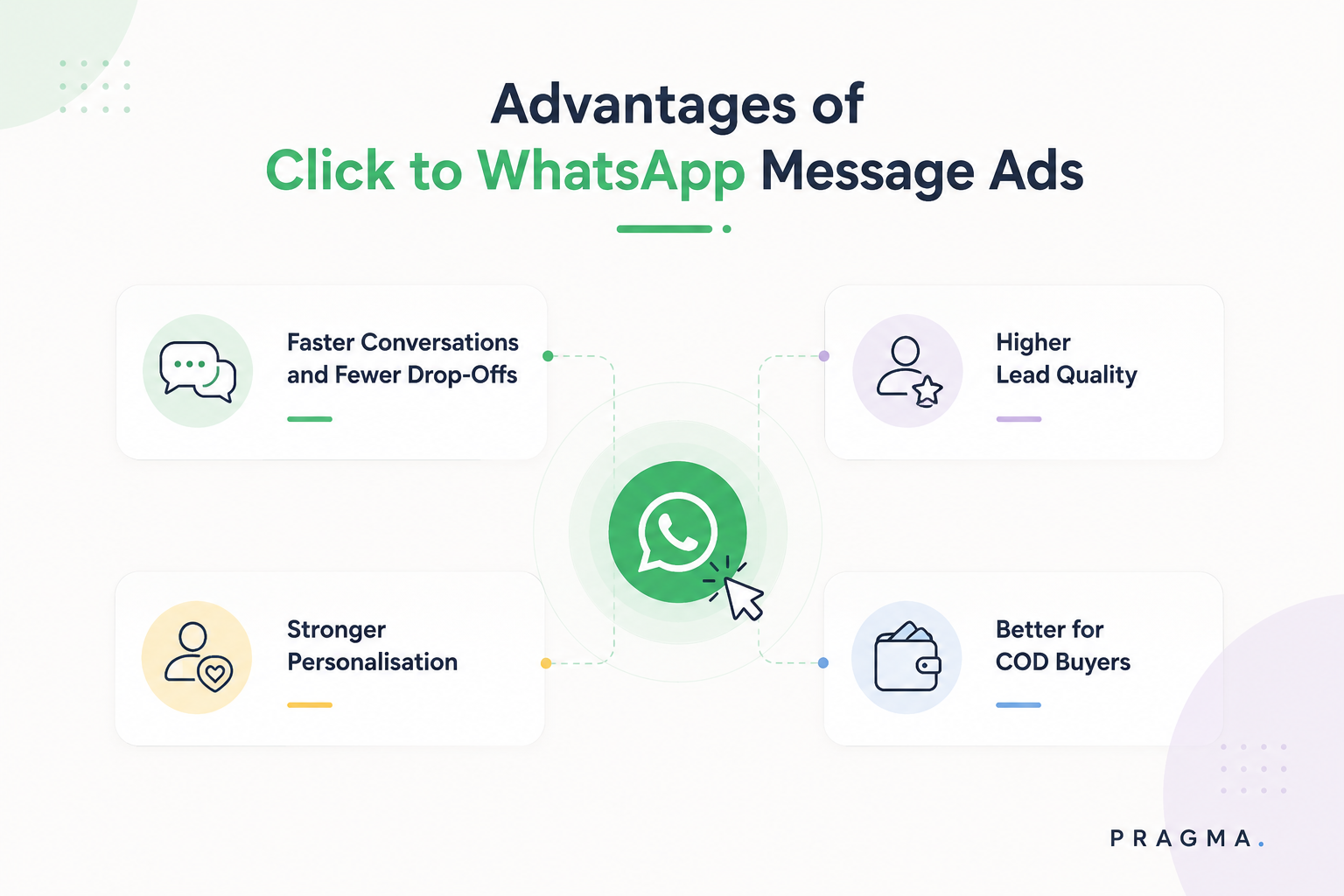
Faster Conversations and Fewer Drop-Offs
Click to WhatsApp Ads redirects users to WhatsApp on their business account, where customers can ask the questions they have, get their answers immediately, and this builds trust in the minds of users.
And, as the behaviour of Indian people is sentimental, generating trust can be helpful for brands to get an order, with lower drop-off rates. Because when the customer is satisfied with all the things, they will definitely make a purchase there.
Higher Lead Quality
Clients who initiate a WhatsApp chat have a definite interest in the product. They are willing to pose questions, inquire about prices or make an order.
This increases the value of WhatsApp leads as they will be more likely to translate into actual customers.
Stronger Personalisation
With the use of WhatsApp Ads, brands can change their messages according to the interests of the customers. They can send them specific product recommendations, can answer them in a more friendly way, and can give them special discounts and offers.
WhatsApp is another platform that Pragma can use to improve personalisation. The WhatsApp marketing of Pragma is revolutionised by its omnichannel CRM platform that:
- Automated Customer Segmentation: With the use of Pragma's CRM, brands can segment customers automatically based on their conversations, purchase history and preferences.
- Smart Response Automation: You can easily implement AI-based chat robots, which are instant and personalised.
- Conversation Analytics: Monitor conversation-to-conversion rates, effective selling patterns, and perfect the messaging strategy.
- Multi-agent Management: Optimally allocate the dialogue between sales representatives regarding expertise and availability.
- Integration eCapabilities: Combine WhatsApp data with email marketing, SMS campaigns, and any other marketing channel to achieve a single customer experience.
- Performance Tracking: Track the most important metrics such as response time, conversion rates, and customer satisfaction rates in all interactions with WhatsApp.
Better for COD Buyers
In India, around 60% of the orders are still being made on cash on delivery. Indian people do not easily build trust in something.
And this gap can be fulfilled through WhatsApp Ads, as the customer can ask questions, clear their doubts, which builds trust and increases the chance of placing orders.
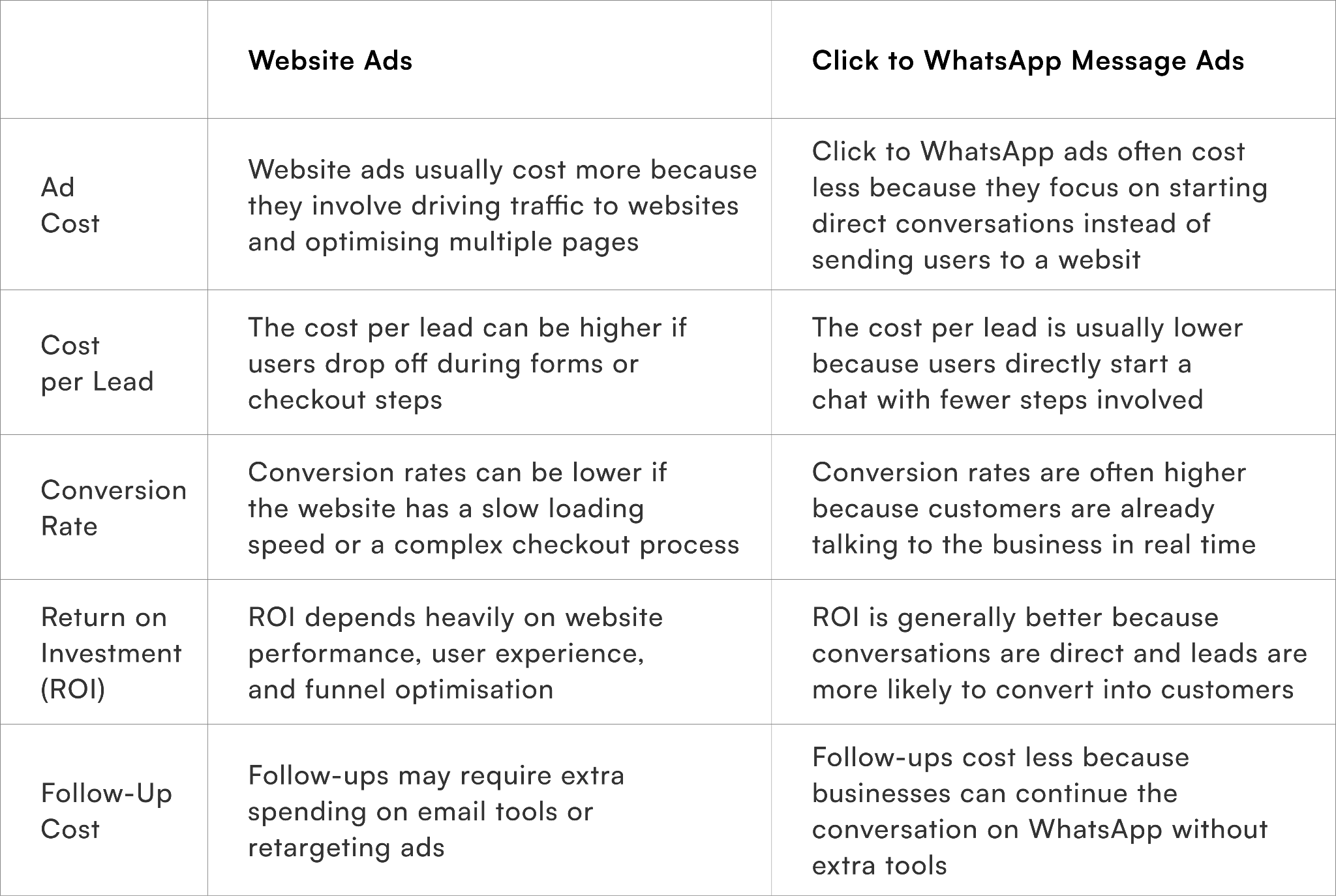
Cost and ROI Comparison
Which Ad Type Works Better for Different E-commerce Scenarios?
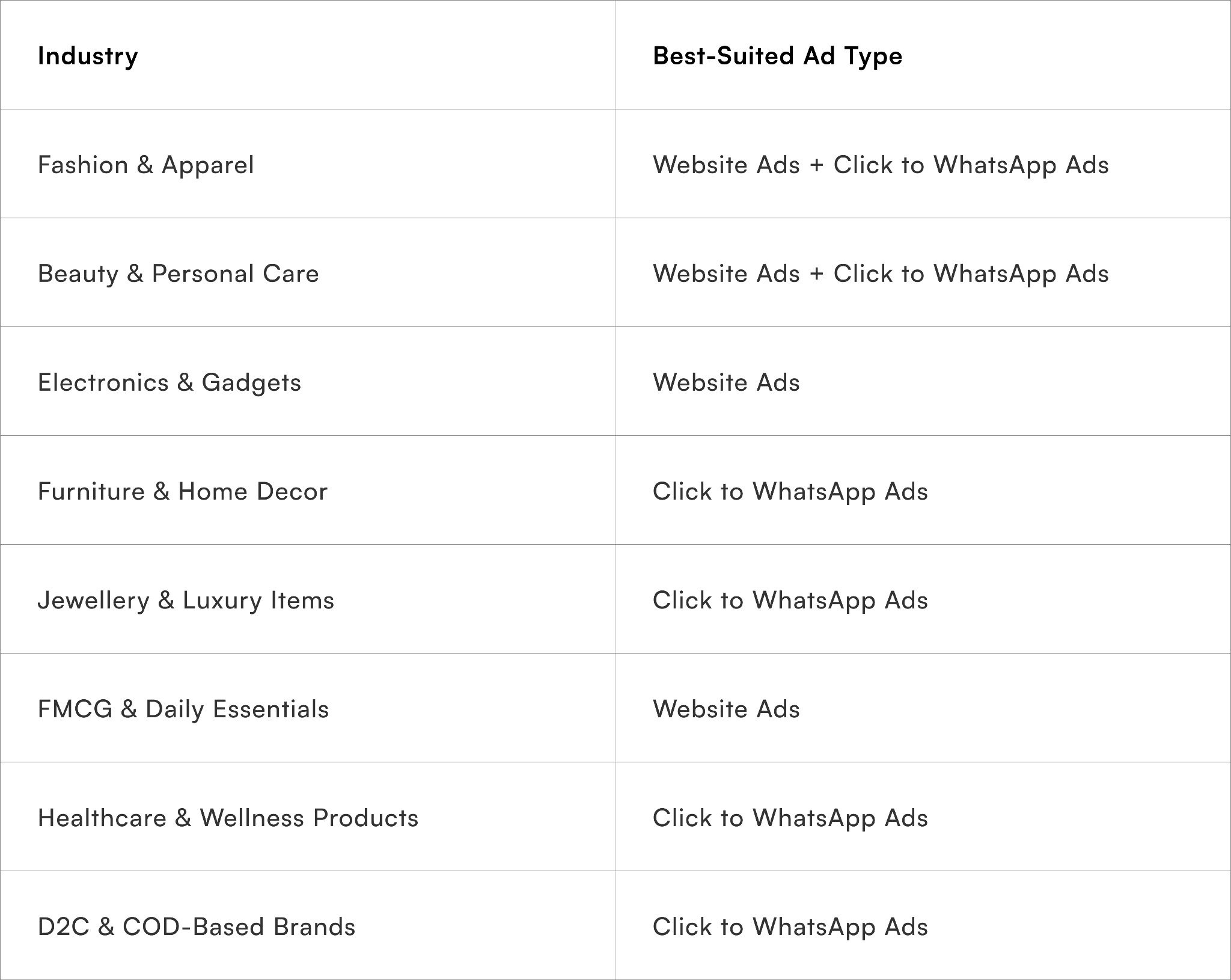
Website Ads are effective in those industries where the customers prefer to surf, compare, and buy online. They are fashion, electronics, beauty products, home, demarcation, books, and FMCG brands.
They suit the companies whose range of products is large, the prices are fixed, and the checkout process does not have any issues. The long-term growth of websites also occurs with the help of website ads by generating growth through SEO, content, and product discovery.
Whereas, Click to WhatsApp Message ads are more suitable in industries where customer requires personal advice before purchasing. These are jewellery, furniture, custom clothing, healthcare brands, local services, and D2C brands with COD.
They come in handy particularly where trust, clarifications and prompt responses are considered in closing sales.
For easy understanding, the following table suggests which ads are better for different e-commerce industries:
How can Both Ad Types work together?
The ads on websites and Click to WhatsApp ads should be implemented as a single strategy. Advertisements on websites are beneficial when someone wants to reach many people and enable the visitors to learn about the products, read the information and compare. This generates awareness and interest.
Click to WhatsApp advertisements assist in turning interested users by initiating personal conversations. WhatsApp ads also provide the user with an accessible method to communicate with the brand and get closer to a purchase in case they have any questions or need reassurance.
With a combination of both, customer guidance by the brands is possible. With the website ads, the business can manage the discovery and browsing, whereas with WhatsApp ads, they can clear customers' questions, build trust, and get final conversions. This enhances sales, drop-offs, and the return on ad spend.
Choosing the Right CTA for Your Campaign- What Type of CTAs Will Work Best For Website vs Click to WhatsApp Ads?
Here are some of the simple CTAs that brands can use in their campaigns for both website ads and WhatsApp ads:
Website Ad CTAs:
- "Shop Now"
- "Browse Collection"
- "Learn More"
- "Get Best Deals"
WhatsApp Ad CTAs:
- "Chat with Us"
- "Get Personal Assistance"
- "Ask Questions"
- "Get Custom Quote"
Final Verdict: What Should E-commerce Brands in India Choose?
So, the answer to this question is that both ad types should be used by the e-commerce businesses, but the dependency on which has to be used more clearly depends on the type of business and what they require.
If they want to create personal interactions, they should move to WhatsApp Ads, but if they want to get a higher number of audience in one go, they can move towards website ads.
Ultimately, Website vs Click to WhatsApp Ads is not a single decision; you will have to work on both to get more growth and revenues. And with the right tools and platforms, it becomes very easy to achieve this. And, you already know Pragma is with you in building your expert WhatsApp CRM.

FAQs (Frequently Asked Questions On Website vs Click to WhatsApp Ads for E-commerce in India)
1. What are website ads in e-commerce marketing?
Website ads drive users from platforms like Meta or Google to a brand’s website or app, where customers browse products and complete purchases through the site’s checkout.
2. What are Click-to-WhatsApp ads?
Click-to-WhatsApp ads send users directly into a WhatsApp chat with the brand, allowing them to ask questions, receive product links, get payment options, and place orders conversationally.
3. What is the main difference between website ads and Click-to-WhatsApp ads?
Website ads focus on self-serve browsing and checkout, while Click-to-WhatsApp ads focus on assisted buying through conversation, guidance, and reassurance.
4. Which performs better for Indian e-commerce brands?
It depends on the category and audience. Click-to-WhatsApp ads often perform better for first-time buyers, COD-heavy segments, and high-consideration products, while website ads work well for repeat buyers and impulse purchases.
5. Are Click-to-WhatsApp ads better for COD orders?
Yes. WhatsApp allows brands to confirm intent, verify addresses, and explain delivery expectations, which reduces COD refusals and Return to Origin (RTO).
6. Do Click-to-WhatsApp ads have higher conversion rates than website ads?
In many Indian D2C cases, yes. Conversational flows reduce friction, answer objections instantly, and build trust, leading to higher conversion rates—especially on mobile.
7. When should brands prefer website ads over WhatsApp ads?
Website ads are better when brands have strong checkout UX, fast load times, high prepaid adoption, and customers who already trust the brand or product category.
8. Are Click-to-WhatsApp ads more expensive than website ads?
The cost per click may be similar, but WhatsApp ads often deliver better cost per conversion due to higher intent and engagement, especially for complex or high-AOV products.
9. Can brands use website ads and Click-to-WhatsApp ads together?
Yes. Many brands use website ads for scale and retargeting, while using Click-to-WhatsApp ads for high-intent users, COD-heavy regions, or abandoned carts.
10. Which ad format is better for Tier-2 and Tier-3 markets in India?
Click-to-WhatsApp ads generally perform better in Tier-2 and Tier-3 markets, where customers prefer direct communication, reassurance, and assistance before purchasing.
Talk to our experts for a customised solution that can maximise your sales funnel
Book a demo.png)
.png)
.png)
.png)