

As D2C brands scale across India, customer conversations rarely stay on a single channel. A shopper might raise a delivery concern on WhatsApp, follow up over email, and finally call support when delays persist. For agents, stitching this context together in real time is hard, and for customers, repeating the same issue is frustrating. This is where The Role of AI Copilot in Multi-Channel CRM (WhatsApp, Calls, Email) becomes operationally important rather than just a tooling upgrade.
Traditional CRMs were built to log interactions, not actively assist agents as conversations move across channels. As a result, teams rely on manual notes, memory, or post-call summaries to keep up. An AI copilot in multi-channel CRM changes this dynamic by surfacing unified context, intent, and next-best actions as agents switch between touchpoints.
Instead of treating WhatsApp, calls, and email as separate queues, copilots help teams respond as if there is one continuous conversation. This shift directly impacts resolution speed, consistency, and customer trust, especially in high-volume ecommerce environments.
Why does multi-channel support break down at scale?
Fragmented conversations create operational blind spots
As D2C brands grow, support volume spreads quickly across WhatsApp, calls, and email. Each channel is often managed as a separate workflow, even when the same customer issue moves between them. This fragmentation makes it difficult for agents to understand the full context of a request in real time.
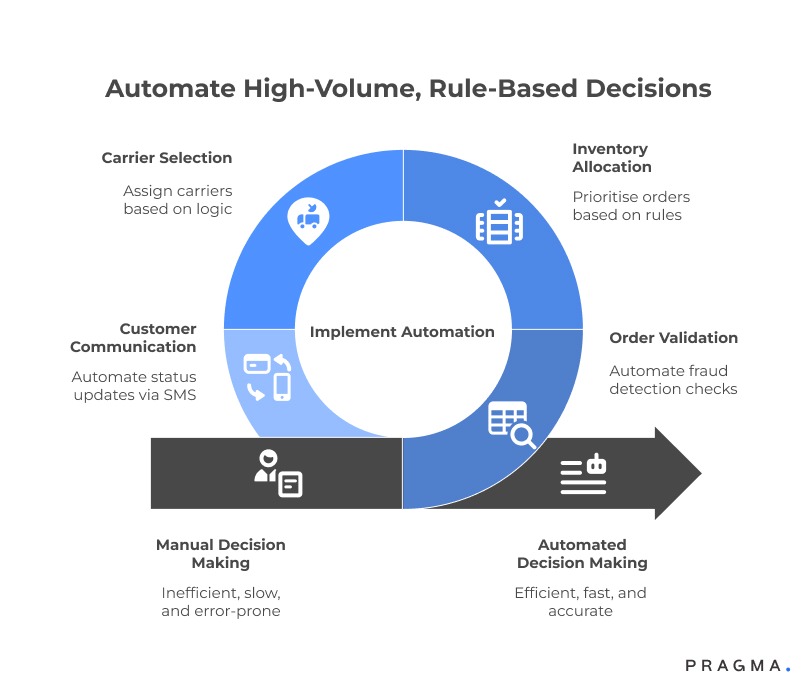
When a customer switches channels, agents are forced to reconstruct history manually. They search for past tickets, skim chat logs, or rely on incomplete notes. In multi-channel CRM for ecommerce, this context loss is one of the biggest reasons first responses are slow and resolutions get delayed.
Over time, this leads to duplicated effort across teams. Multiple agents unknowingly work on the same issue, while customers feel ignored or misunderstood. Without a unified view, even well-trained teams struggle to keep conversations coherent.
How do channel silos impact agent performance?
Context switching increases effort and error rates
Why do agents lose time moving between tools?
Disconnected systems slow down basic actions
Most traditional CRMs treat each channel as a separate interface. Agents move between WhatsApp dashboards, call logs, and email inboxes just to answer a single question. Every switch adds friction and increases the chance of missing critical information.
This constant context switching reduces focus and extends handling time. It also makes it harder for new agents to build confidence, as they must learn multiple systems instead of one unified workspace.
How does this affect customer experience?
Repeated explanations erode trust quickly
Customers expect brands to remember them, regardless of channel. When agents ask the same questions repeatedly, it signals poor coordination. This is especially damaging for omnichannel CRM for D2C brands, where loyalty is closely tied to service quality.
Over time, these small frictions compound. Even if individual responses are polite, the overall experience feels disjointed and inefficient.
Why do traditional CRMs struggle with real-time coordination?
They record interactions but do not assist decisions
Traditional CRMs are excellent at storing data after an interaction ends. They log tickets, tag conversations, and generate reports. What they lack is real-time intelligence during live conversations.
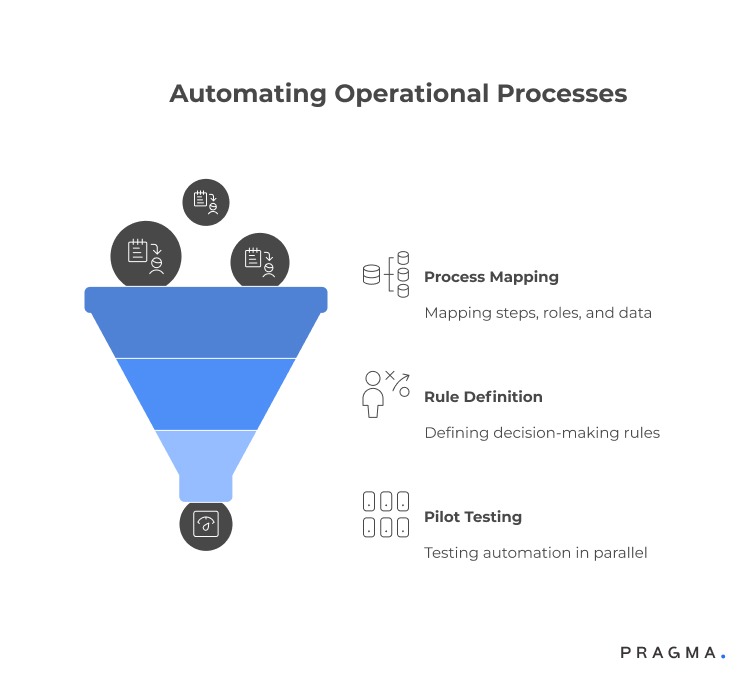
Agents still need to decide what to say, what policy applies, and what actions are safe. Without guidance, they rely on memory or escalate unnecessarily. This limitation becomes obvious when handling complex queries across channels.
By contrast, AI copilot for multichannel CRM systems surface relevant data, intent, and recommendations while the conversation is happening, allowing agents to respond confidently without breaking flow.
How does an AI copilot unify WhatsApp, calls, and email context?
One continuous customer story across all touchpoints
An AI copilot works by treating every interaction as part of a single, evolving conversation rather than isolated tickets. Whether a customer starts on WhatsApp, follows up on email, or escalates via a call, the copilot maintains a shared context layer that agents can access instantly.
This unified view includes order details, past conversations, unresolved issues, and sentiment cues. Agents no longer need to ask customers to repeat themselves or search across tools. In practice, this is how an AI copilot in multi-channel CRM turns fragmented channels into a coordinated support experience.
When copilots are embedded directly within the CRM interface, as seen in AI copilot in CRM workflows, agents receive relevant context at the exact moment they respond, not after the interaction ends.
Why does real-time assistance matter more than post-interaction logs?
Decisions need support while conversations are live
How do copilots assist agents during active conversations?
Guidance appears before mistakes are made
Post-call summaries and ticket notes help with reporting, but they do little to improve the current interaction. AI copilots intervene earlier. They suggest responses, flag policy constraints, and surface similar past resolutions while the agent is still engaged with the customer.
This reduces hesitation and prevents avoidable escalations. Agents act with more confidence because they understand both the customer’s history and the brand’s guardrails in real time.
Why does this reduce inconsistencies across channels?
Shared intelligence replaces individual memory
Without assistance, agents rely on personal experience to handle edge cases. This leads to uneven outcomes depending on who picks up the conversation. Copilots standardise decision-making by embedding best practices into live recommendations.
For omnichannel CRM for D2C brands, this consistency is critical. Customers receive aligned answers whether they message on WhatsApp or call the support line.
How does an AI copilot improve collaboration across teams?
Cross-channel visibility removes duplicate effort
In many organisations, WhatsApp, email, and voice teams operate independently. An AI copilot bridges this gap by making conversations and actions visible across teams in real time.
If a customer emails after chatting on WhatsApp, the email agent can see what was already discussed and what actions were taken. This prevents duplicate refunds, conflicting promises, and unnecessary internal escalations.
Platforms designed for coordinated CRM workflows, such as unified CRM platforms for growing D2C teams, benefit most when copilots ensure that every team works from the same source of truth.
When does a copilot outperform manual coordination processes?
High-volume periods and complex customer journeys
Manual coordination might work at low volumes, but it breaks during sales spikes, delivery disruptions, or seasonal peaks. During these periods, issues move rapidly across channels and time is limited.
Copilots scale decision support without increasing headcount. They help agents prioritise, respond faster, and stay aligned even under pressure. This makes AI copilot for multichannel CRM setups especially valuable for fast-growing ecommerce brands that cannot afford service inconsistency at scale.
How can teams improve multi-channel efficiency in the first 30 days?
Practical actions that reduce friction across WhatsApp, calls, and email
Week 1: Map channel overlap for top customer issues
Identify the top 10 issues that appear across more than one channel. Track where conversations usually start and where they escalate. This helps teams understand where context breaks most often.
Expected result: Clear visibility into where multi-channel leakage occurs.
Week 2: Standardise context fields across channels
Ensure order ID, issue category, and previous resolution status are mandatory fields across WhatsApp, call, and email workflows. This creates a baseline for unified context.
Expected result: Faster handoffs between teams with fewer clarifying questions.
Week 3: Enable copilot assistance inside live workflows
Activate AI copilot guidance directly within agent workflows so suggestions appear during conversations, not after. Teams using [AI copilot in CRM] setups typically see faster response confidence during this phase.
Expected result: Reduced handling time and fewer unnecessary escalations.
Week 4: Align response policies across channels
Audit whether policies differ by channel unintentionally. Use copilot insights to highlight mismatches and bring consistency to tone, timelines, and resolution paths.
Expected result: More predictable customer outcomes across touchpoints.
What metrics indicate success in a multi-channel copilot setup?
Operational signals that show real improvement
To evaluate the impact of an AI copilot in multi-channel CRM, teams should track metrics that reflect coordination quality, not just volume.
Key metrics to monitor include:
- First-contact resolution rate by channel and combined view
- Average handling time variance across WhatsApp, calls, and email
- Number of repeat contacts per issue
- Internal escalations caused by missing context
- Agent confidence scores from QA reviews
Brands operating on unified CRM platforms built for scale often see these metrics stabilise as copilots reduce reliance on manual coordination.
To Wrap It Up
Multi-channel support only works when conversations feel continuous to the customer and coordinated to the agent. AI copilots make this possible by unifying context, guidance, and decision support across WhatsApp, calls, and email.
This week, audit your top cross-channel issues and identify where context is getting lost.
Over time, teams that invest in real-time assistance rather than post-interaction reporting build more resilient support operations and deliver consistent experiences at scale.
For D2C brands seeking tighter coordination across channels, Pragma’s CRM platform provides real-time AI copilot assistance, unified customer context, and workflow intelligence that help teams reduce handling time and improve resolution consistency across every touchpoint.

FAQs (Frequently Asked Questions On The Role of AI Copilot in Multi-Channel CRM (WhatsApp, Calls, Email))
1. What is AI copilot in multi-channel CRM?
AI copilot in multi-channel CRM refers to AI assistance that supports customer interactions across channels like WhatsApp, calls, and email. It helps agents manage conversations efficiently while maintaining context across touchpoints.
2. How does AI copilot for multichannel CRM improve customer experience?
AI copilot for multichannel CRM ensures consistent and personalised responses across different communication channels. This reduces friction and creates a seamless customer journey.
3. Why is multi-channel CRM for ecommerce important?
Multi-channel CRM for ecommerce enables brands to engage customers on their preferred platforms. It improves responsiveness, increases conversions, and enhances overall satisfaction.
4. How does AI copilot maintain context across channels?
AI copilots track customer interactions, history, and preferences across platforms. This allows agents to deliver informed and continuous conversations without repetition.
5. What role does AI play in omnichannel CRM for D2C brands?
In omnichannel CRM for D2C brands, AI copilots unify data and interactions across all touchpoints. This ensures a cohesive and personalised customer experience at scale.
6. Can AI copilots automate responses across multiple channels?
Yes, they can suggest or automate replies based on context, intent, and past interactions. This improves response time while maintaining accuracy and relevance.
7. How does AI copilot in multi-channel CRM improve agent productivity?
It provides real-time suggestions, summarises conversations, and automates repetitive tasks. This enables agents to handle more interactions efficiently.
8. What data is required for effective multichannel CRM with AI?
Data such as customer profiles, interaction history, purchase behaviour, and channel preferences is essential. These inputs allow AI to deliver accurate and personalised support.
9. Can AI copilots handle high volumes in ecommerce CRM?
Yes, they scale easily to manage large volumes of customer interactions across channels. This ensures consistent service quality during peak periods.
10. What are the challenges of implementing AI copilot for multichannel CRM?
Challenges include data integration, maintaining consistency across channels, and ensuring data privacy. Proper system design and governance help overcome these issues.
11. How does AI copilot enhance omnichannel CRM strategies?
It connects all communication channels into a unified workflow with shared insights. This improves coordination, customer experience, and operational efficiency.
Talk to our experts for a customised solution that can maximise your sales funnel
Book a demo


.png)