

Operational visibility is the backbone of efficient D2C teams. Managers need to know what is happening across support queues, fulfillment, and customer interactions before the day begins. Yet manually compiling this information is time-consuming and often inconsistent. Daily ops briefings generated by an AI copilot: what to include and why addresses this challenge by turning raw data into actionable insights.
Traditional reporting struggles to highlight exceptions, trends, or emerging issues in real time. This is where AI copilot daily ops briefings become valuable—they summarise critical metrics, flag anomalies, and provide context for decision-making without waiting for end-of-day reports.
By delivering concise, contextual briefings, copilots empower ops managers to act faster, prioritise tasks effectively, and preempt problems rather than react to them. For D2C brands, this transforms daily standups from data collection exercises into strategic planning sessions, allowing teams to focus on execution rather than manual reporting.
Why do daily operations briefings matter for D2C teams?
Structured updates turn data into actionable insight
Ops managers oversee multiple workflows simultaneously—from customer support to logistics, inventory, and post-order follow-ups. Without a consolidated view, critical issues are discovered too late or addressed inconsistently.
AI copilot daily ops briefings provide a snapshot of key metrics and anomalies at the start of each day, ensuring managers can prioritise effectively. By delivering context alongside raw numbers, they transform routine check-ins into informed decision-making sessions.
What information should be included in a daily briefing?
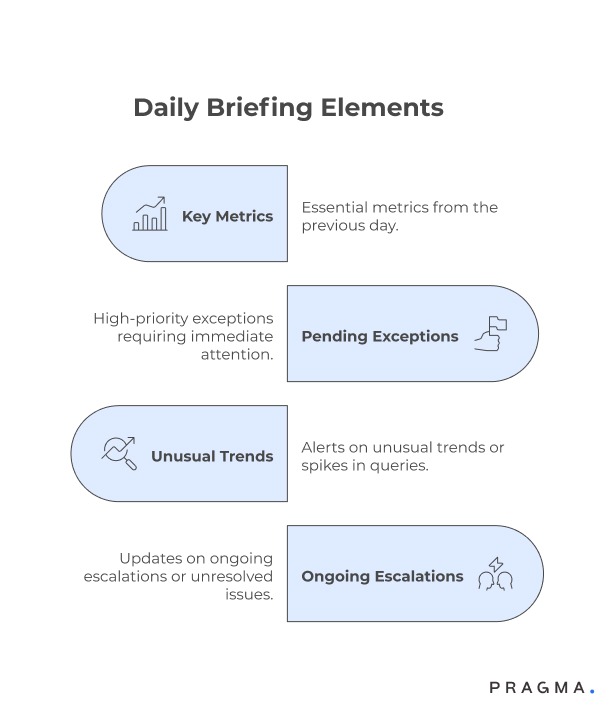
A well-structured briefing balances operational completeness with clarity. Essential elements typically include:
- Key metrics from the previous day (support volume, resolution time, order fulfillment rates)
- Pending or high-priority exceptions requiring immediate attention
- Alerts on unusual trends or spikes in queries
- Updates on ongoing escalations or unresolved issues
These items give managers a clear view of both routine performance and emerging challenges.
How do traditional daily briefings fall short?
Manual reports are slow and inconsistent
Most teams compile daily briefings by aggregating data from multiple sources: CRM exports, spreadsheets, and manual notes. This approach introduces several inefficiencies:
- Time-consuming preparation
- Risk of missing critical outliers
- Inconsistent formatting and incomplete context
By contrast, AI copilot for ops managers automatically gathers and synthesises data, reducing preparation time and increasing reliability.
How does an AI copilot generate concise, actionable summaries?
Automation with intelligence improves focus
AI copilots are designed to process large volumes of operational data and surface what is most relevant for the team. They do not simply present numbers—they highlight patterns, deviations, and exceptions that warrant attention.
What tasks are automated in daily ops briefings?
Copilot-assisted briefings can include:
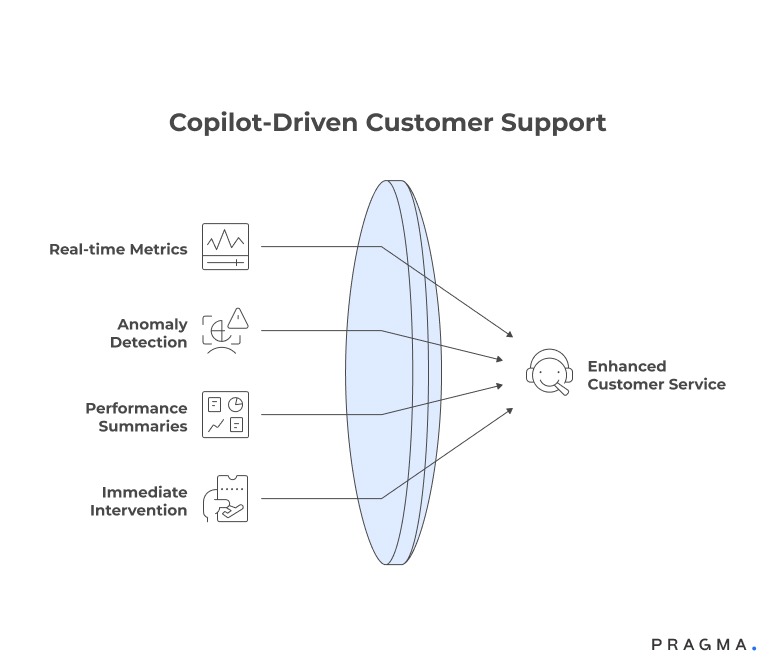
- Pulling support and fulfillment metrics from the CRM in real time
- Flagging unusual spikes in customer queries or returns
- Summarising agent performance trends and pending tasks
- Highlighting tickets or orders that need immediate intervention
By doing this, managers spend less time hunting for information and more time making decisions.
Why is context critical in daily briefings?
Numbers alone rarely convey urgency or priority. Contextual insights allow managers to interpret metrics correctly, understand implications, and make informed decisions. When copilots integrate directly with AI copilot in CRM , they can pull conversation context, order histories, and previous actions, providing a comprehensive operational snapshot.
How should teams structure daily ops briefings for maximum impact?
Clarity and prioritisation turn briefings into actionable plans
Not all updates carry the same weight. Managers need to focus on the most critical issues first, while still having visibility into routine metrics. A structured briefing helps prevent cognitive overload and ensures that action items are clear.
What sections should a daily briefing include?
A high-impact daily ops briefing balances overview, exceptions, and follow-up actions:
- Executive summary: Key highlights and urgent issues from the previous day
- Support metrics: Ticket volume, average handling time, escalations, and backlog trends
- Order and fulfillment updates: Pending deliveries, exceptions, and delays
- Agent performance snapshots: Completion rates, top performers, and flagged concerns
- Actionable alerts: Items requiring immediate intervention
This organisation allows managers to quickly scan, prioritise, and assign tasks effectively.
How do AI copilots enhance briefing usability?
Reducing preparation time and improving decision quality
AI copilots transform static data into interactive, context-rich summaries. They highlight anomalies, flag exceptions, and even suggest next steps for ops managers.
Benefits include:
- Automated aggregation of multi-source data into one briefing
- Highlighting unusual trends or spikes in customer queries
- Providing context for each alert so decisions can be made immediately
- Reducing human error in manual reporting
When integrated with workflows like AI copilot helps agents and AI copilot to retrieve past order, briefings become actionable in real time rather than static reports.
Why do exception alerts improve daily decision-making?
Focusing on outliers prevents small issues from becoming crises
Routine metrics are important, but issues that deviate from the norm require attention. AI copilots automatically flag exceptions such as:
- Sudden spikes in refund requests or returns
- Unresolved tickets exceeding SLA thresholds
- Orders stuck in fulfillment without updates
By surfacing these anomalies early, managers can allocate resources proactively, reducing bottlenecks and improving customer experience.
How do managers act on exception insights?
Once flagged, exceptions can be routed, assigned, or investigated immediately. This reduces reaction time and prevents minor issues from escalating. Copilot-assisted briefings ensure that managers have context, history, and suggested next steps, making daily standups more strategic.
How can AI copilots personalise briefings for different roles?
Tailored insights ensure relevance for each stakeholder
Not all team members need the same level of detail. Ops managers, team leads, and agents require different perspectives on the same data. AI copilots can dynamically adjust briefings to match role-specific needs.
What elements are personalised per role?
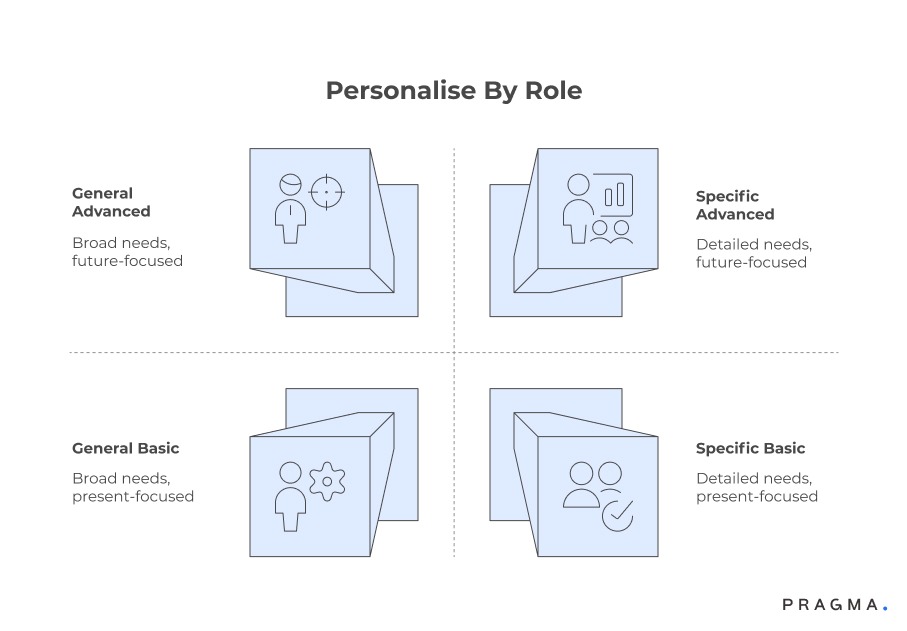
- Ops managers: High-level metrics, escalations, cross-team dependencies
- Team leads: Agent performance, SLA compliance, backlog priorities
- Agents: Pending tickets, flagged exceptions, context from recent interactions
Personalisation ensures that each stakeholder sees what is actionable for them, avoiding information overload while improving response speed.
How does this improve operational efficiency?
When each team member receives relevant insights automatically, decision-making becomes faster and more accurate. Managers can pre-empt issues, team leads can coach proactively, and agents can focus on resolving tickets efficiently.
When should daily briefings include predictive insights?
Anticipating trends helps teams stay ahead of issues
Beyond reporting what happened, AI copilots can analyse patterns to highlight likely future challenges. Predictive insights are especially useful for D2C brands with fluctuating order volumes or seasonal spikes.
Examples of predictive insights in briefings:
- Forecasted support spikes based on prior trends
- Potential SLA breaches flagged before they occur
- Anticipated inventory delays impacting order fulfillment
By integrating predictions into AI copilot in CRM, managers can act before issues impact the customer, rather than reacting after the fact.
How do briefings enhance cross-team coordination?
Shared context aligns priorities across support, ops, and logistics
Daily briefings consolidate information from multiple departments into a single, coherent snapshot. This ensures that everyone is operating from the same context, reducing miscommunication and duplicated effort.
Key coordination benefits:
- Fewer follow-up meetings to reconcile data
- Clear visibility into task ownership and pending items
- Unified understanding of urgent issues across teams
By delivering these insights automatically, AI copilots reduce friction and allow teams to focus on execution rather than information gathering.
How can teams implement AI-generated daily ops briefings in 30 days?
Practical steps to integrate briefings without disrupting workflows
Week 1: Map critical metrics and exceptions
Identify which metrics and alerts are most relevant for ops managers and team leads. Include support volume, pending tickets, delayed orders, and SLA breaches.
Expected result: Clear understanding of what the briefing should communicate daily.
Week 2: Integrate data sources
Connect CRM, order management, and support tools to the copilot. Ensure it can pull real-time metrics and contextual information for each relevant workflow.
Expected result: Automated, reliable data aggregation for briefings.
Week 3: Design role-specific briefing templates
Tailor outputs for ops managers, team leads, and agents. Include summaries, exceptions, and suggested actions for each role.
Expected result: Briefings are immediately actionable and reduce unnecessary meetings.
Week 4: Review and refine briefing effectiveness
Monitor feedback from managers and teams. Adjust metrics, exception thresholds, or predictive insights as needed.
Expected result: Daily briefings consistently support proactive decisions and reduce information gaps.
What metrics indicate briefing effectiveness?
Operational indicators that reflect improved visibility and decision-making
Teams should track both engagement and impact:
- Percentage of daily briefings opened and reviewed by managers
- Reduction in escalations due to missed alerts
- Time saved compiling reports manually
- Improvement in SLA adherence and backlog clearance
- Agent and team lead satisfaction with operational clarity
Positive trends indicate that AI copilot briefings are delivering actionable insight rather than just raw data.
To Wrap It Up
Daily operations briefings are most effective when they combine metrics, exceptions, and context in a concise, actionable format. AI copilots automate this process, giving teams visibility without manual effort.
This week, map the key metrics and exceptions that matter most for your daily standups and integrate them into copilot workflows.
Over time, teams using AI copilots for daily briefings reduce information gaps, improve SLA adherence, and empower managers to act proactively.
For D2C brands seeking to optimise daily operational visibility, Pragma’s AI copilot platform provides contextual summaries, predictive insights, and role-specific briefings that streamline decision-making and reduce manual reporting.

FAQs (Frequently Asked Questions On Daily ops briefings generated by an AI copilot: what to include and why)
1. What are AI copilot daily ops briefings?
AI copilot daily ops briefings are automated summaries of key operational metrics and issues. They help teams start the day with clear, data-driven insights.
2. How does an AI copilot for ops managers improve briefings?
An AI copilot for ops managers consolidates data from multiple sources into a single view.This enables faster decision-making and prioritisation.
3. What should be included in a daily operations briefing?
A daily operations briefing should include KPIs, SLA performance, delays, exceptions, and key risks.This ensures teams focus on critical operational areas.
4. Why are AI-generated briefings more effective than manual reports?
They reduce manual effort and ensure consistent, real-time updates.AI-generated briefings are faster and less prone to errors.
5. How do AI copilot daily ops briefings improve team productivity?
They highlight priorities and actionable insights upfront.This helps teams allocate resources efficiently.
6. Can AI copilots personalise briefings for different teams?
Yes, briefings can be tailored based on roles, regions, or functions.This ensures relevance for each stakeholder.
7. What data sources are used in daily ops briefings?
Data includes shipment performance, SLA metrics, NDR cases, and operational trends.These inputs provide a comprehensive overview.
8. How frequently should daily operations briefings be updated?
They should be generated daily, with real-time updates for critical changes.This keeps teams informed and responsive.
9. Can AI copilots identify risks in daily briefings?
Yes, they can flag anomalies, delays, and potential SLA breaches.This enables proactive issue resolution.
10. What are the benefits of using AI copilot daily ops briefings?
Benefits include improved visibility, faster decision-making, and reduced manual reporting effort.They also enhance operational consistency.
11. Are there limitations to AI-generated ops briefings?
AI may miss context-specific nuances or strategic considerations.Human review ensures accuracy and alignment with business goals.
Talk to our experts for a customised solution that can maximise your sales funnel
Book a demo

.png)